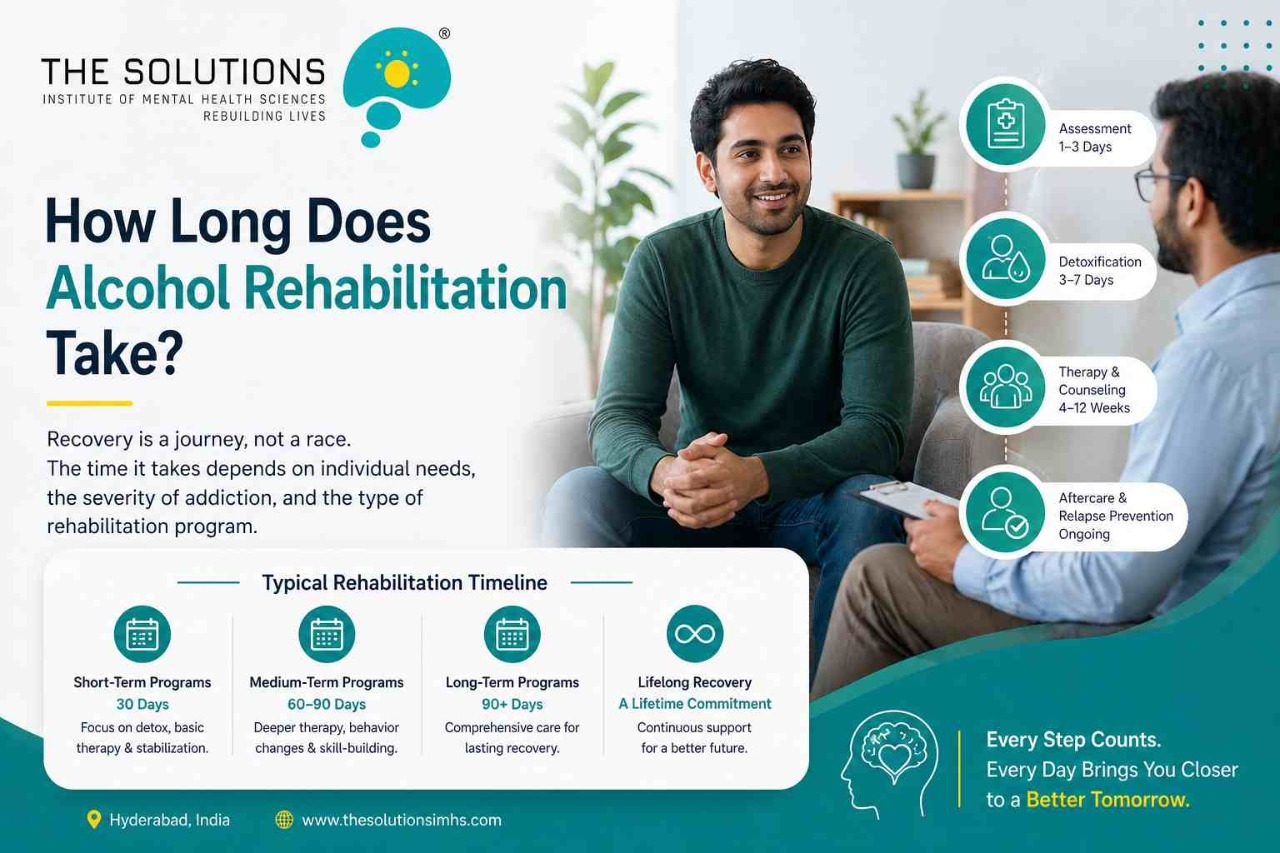
Alcohol addiction is a serious condition that affects not only physical health but also emotional well-being, relationships, and daily life. One of the most common questions individuals and families ask before starting treatment is: How Long Does Alcohol Rehabilitation Take? The answer is not one-size-fits-all, as recovery depends on multiple factors including the severity of addiction, individual health, and the type of treatment program chosen.
Understanding the timeline of alcohol rehabilitation can help set realistic expectations and encourage individuals to commit fully to the recovery process. Rehabilitation is not just about detoxification-it is a structured journey toward long-term sobriety and improved quality of life.
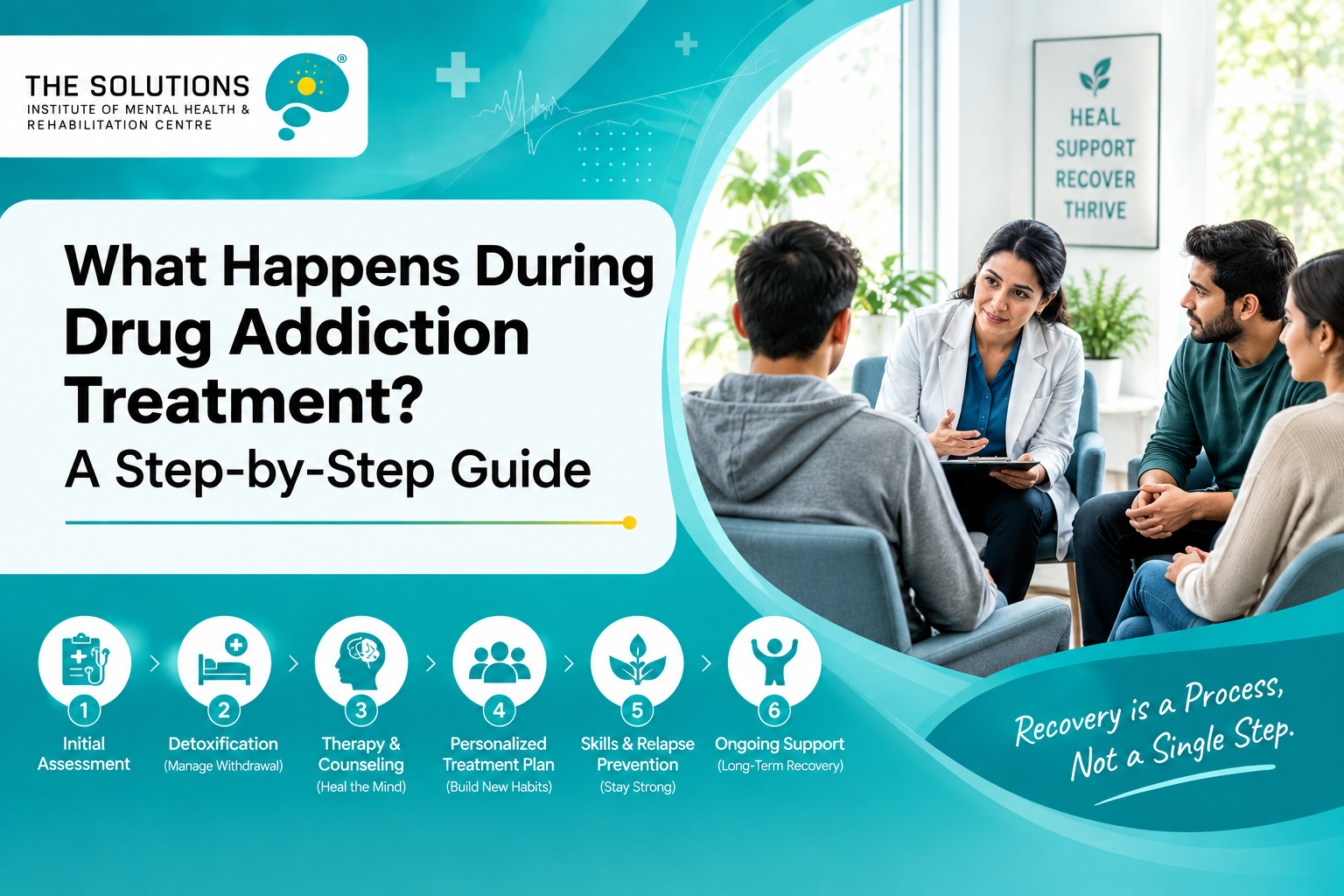
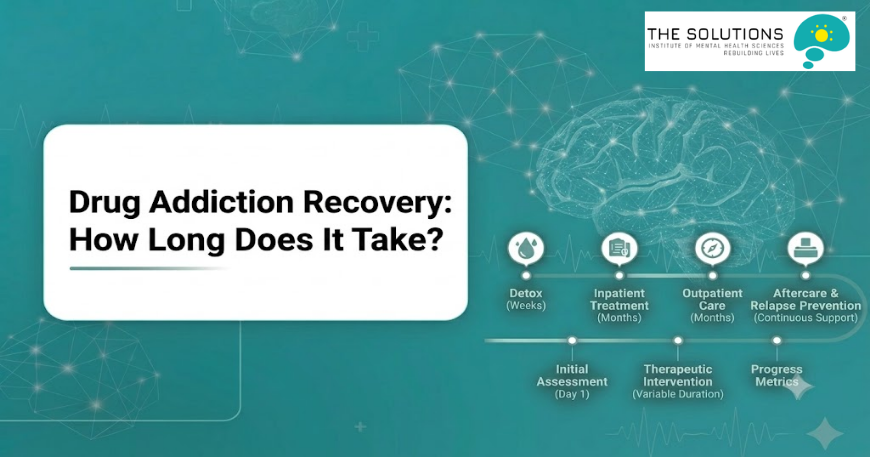
Alcohol rehabilitation typically occurs in several stages, each designed to address specific aspects of addiction and recovery.
The first step in rehabilitation is detoxification, where the body eliminates alcohol toxins. This phase usually lasts between 3 to 10 days, depending on the individual’s level of dependency. Medical supervision is crucial during detox, as withdrawal symptoms such as anxiety, tremors, nausea, and seizures can occur.
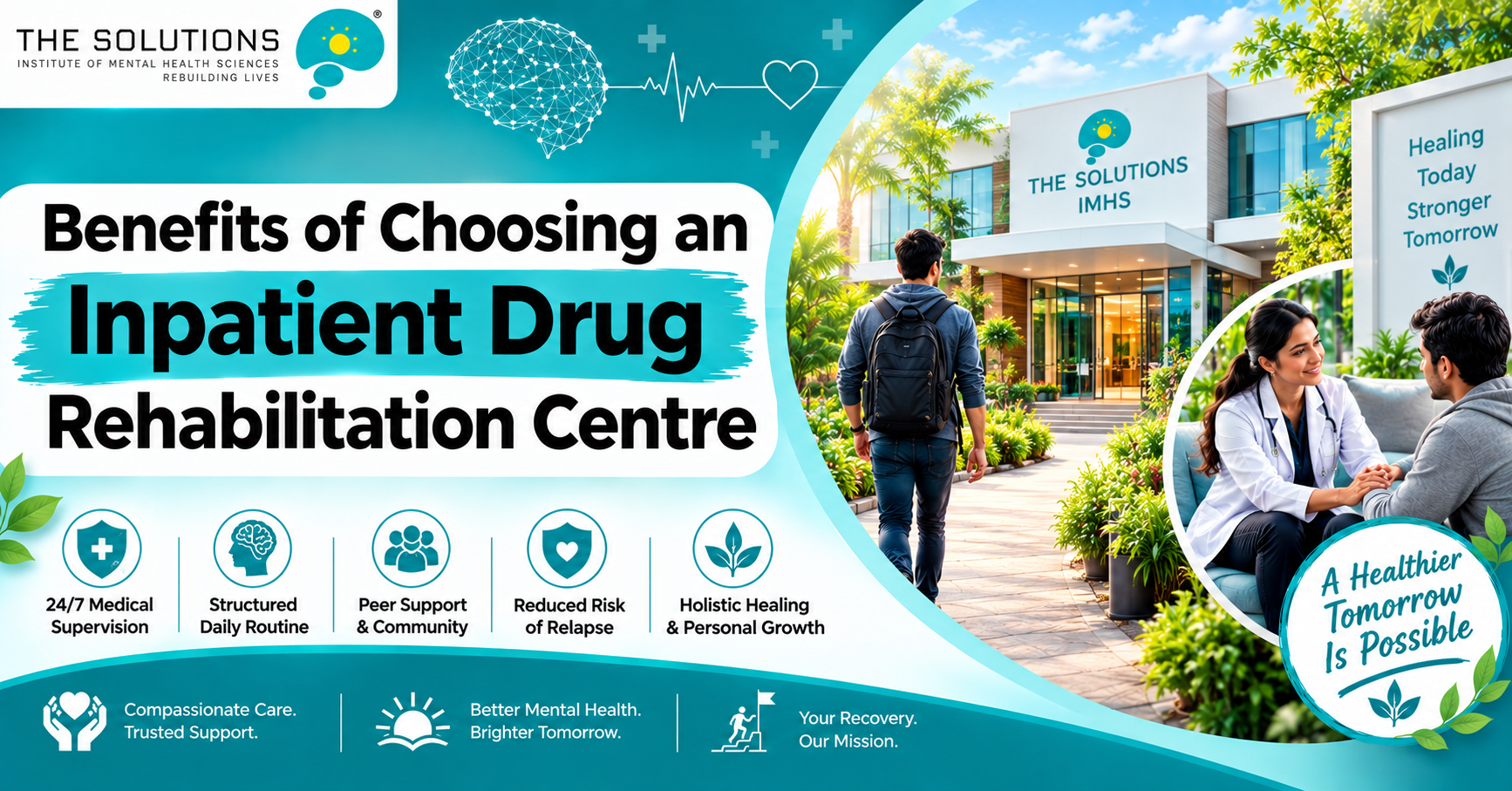
After detox, many individuals move into inpatient or residential treatment. These programs typically last 30, 60, or 90 days. During this period, patients receive structured care including therapy, counseling, and medical support in a controlled environment.
For those who cannot commit to residential treatment, outpatient programs offer flexibility. These programs can last from 3 months to over a year, depending on the progress and needs of the individual.
Recovery does not end after formal treatment. Aftercare programs, support groups, and counseling sessions are essential for maintaining sobriety. This stage can last for years and plays a critical role in preventing relapse.
The length of alcohol rehabilitation varies widely due to several influencing factors. Understanding these can help individuals and families make informed decisions.
Individuals with long-term or heavy alcohol use may require extended treatment compared to those with mild dependency.
Co-occurring mental health disorders such as depression or anxiety can extend the rehabilitation process, as both conditions need to be treated simultaneously.
Inpatient programs generally have fixed durations, while outpatient programs are more flexible and may last longer depending on progress.
Motivation and support from family and friends can significantly impact recovery speed and effectiveness.
Many individuals consider leaving rehabilitation early once they start feeling better. However, completing the full program is essential for long-term success.
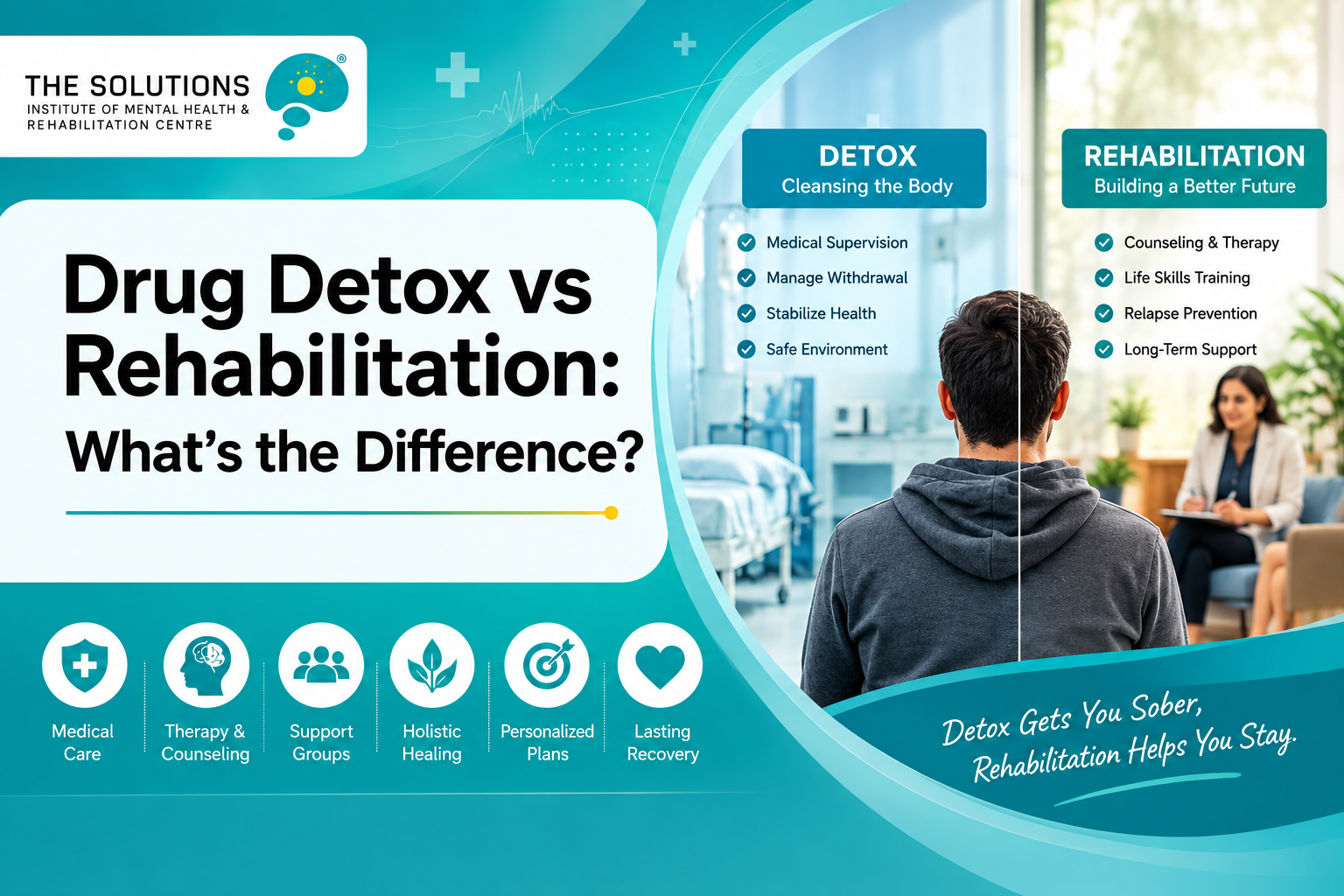
Alcohol addiction affects both the body and mind. While detox addresses physical dependence, therapy and counseling are necessary to treat psychological triggers. Leaving treatment prematurely increases the risk of relapse.
Rehabilitation programs are designed to gradually build coping skills, emotional resilience, and healthy habits. Skipping any stage can disrupt this process and delay recovery.
Therapy is a cornerstone of alcohol rehabilitation and significantly influences its duration. Different therapeutic approaches are used to address behavioral patterns, emotional challenges, and underlying causes of addiction.
CBT helps individuals identify negative thought patterns and replace them with healthier behaviors.
Sharing experiences with others in recovery fosters a sense of community and reduces feelings of isolation.
Addiction impacts families as well. Family therapy helps rebuild trust and improve communication.
One-on-one sessions provide personalized guidance and emotional support throughout the recovery journey.
Choosing between short-term and long-term rehabilitation depends on individual needs and addiction severity.
These programs focus on detox and initial therapy. They are suitable for individuals with mild addiction or those seeking a quick start to recovery.
Long-term programs provide deeper treatment, addressing root causes and ensuring stronger relapse prevention strategies. These are recommended for individuals with chronic addiction.
Research shows that longer treatment durations often lead to better outcomes, as they allow more time to develop coping mechanisms and behavioral changes.
Recovery is a gradual process, and progress may vary from person to person. Some positive signs include:
Recognizing these signs can motivate individuals to stay committed to their recovery journey.
Aftercare is a critical component of alcohol rehabilitation. Even after completing a program, individuals need ongoing support to maintain sobriety.
Aftercare may include regular counseling sessions, participation in support groups, lifestyle changes, and relapse prevention strategies. It helps individuals transition back into daily life while staying focused on recovery goals.
Without aftercare, the risk of relapse increases significantly, especially during stressful situations or life changes.
The answer to How Long Does Alcohol Rehabilitation Take? depends on individual circumstances, but true recovery is an ongoing journey rather than a fixed timeline. From detox to aftercare, each stage plays a vital role in achieving lasting sobriety. At The Solutions IMHS, a structured and personalized approach ensures that individuals receive the right support at every phase of recovery, helping them build a healthier, addiction-free life.
The timeline varies by individual needs. How Long Does Alcohol Rehabilitation Take? depends on addiction severity, treatment type, and recovery progress over time.
Yes, detox is the first stage. How Long Does Alcohol Rehabilitation Take? includes detox, therapy, and aftercare for complete and lasting recovery.
Absolutely, treatment plans are flexible. How Long Does Alcohol Rehabilitation Take? may extend or shorten based on response to therapy and support systems.
Longer programs often show better results. How Long Does Alcohol Rehabilitation Take? matters because extended care improves relapse prevention and stability.
Aftercare is essential for sobriety. How Long Does Alcohol Rehabilitation Take? includes ongoing support like counseling and lifestyle adjustments post-treatment.

WhatsApp us