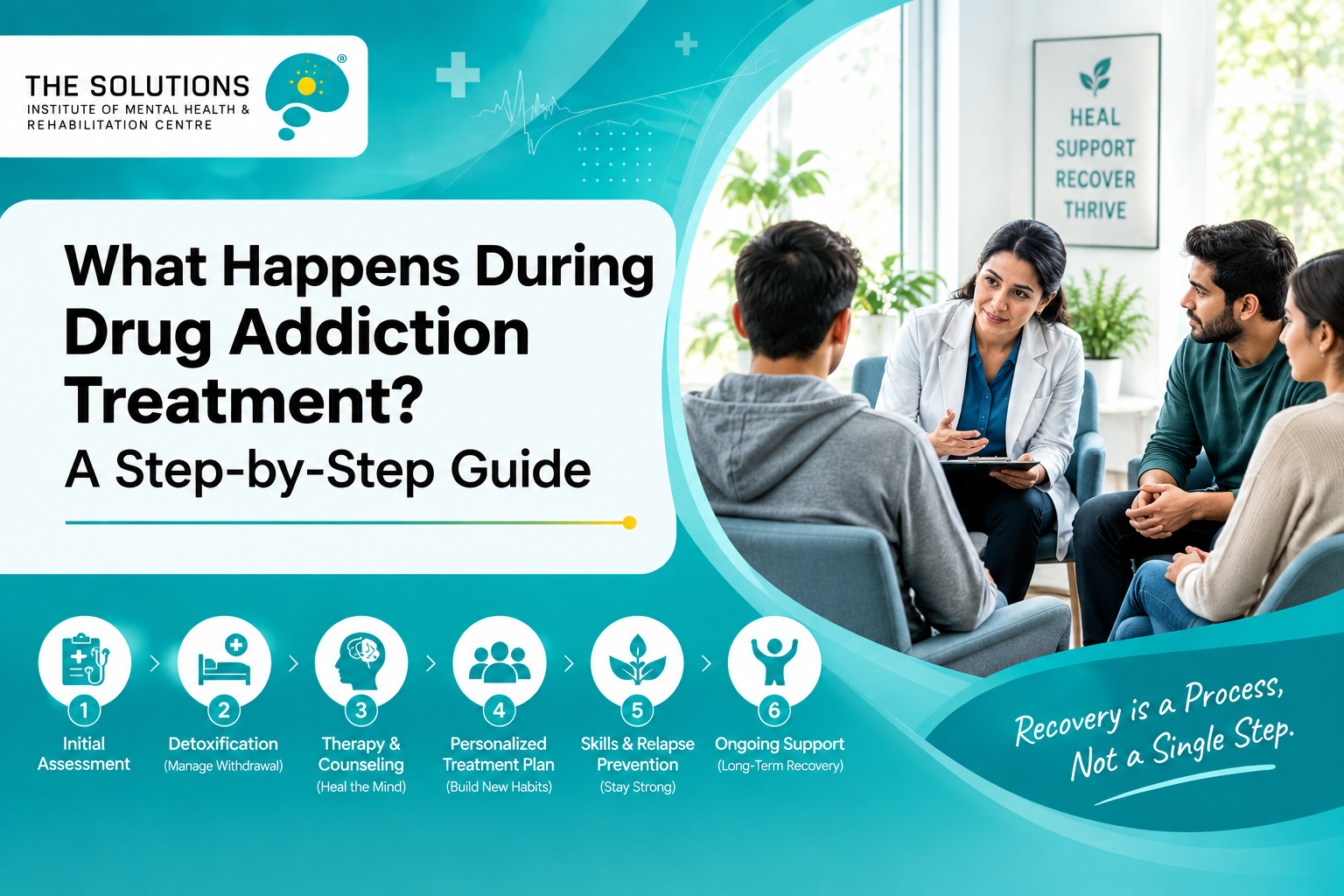
Drug addiction can affect physical health, emotional well-being, relationships, work, and everyday life. For someone considering treatment, one of the biggest questions is often: What Happens During Drug Addiction Treatment? A Step-by-Step Guide can help individuals and families understand what to expect before beginning the recovery journey.
Drug addiction treatment is not the same for everyone. The process may vary depending on the substance used, duration of use, physical and mental health, withdrawal risks, and individual recovery goals. Professional treatment generally combines assessment, appropriate medical care, counselling, rehabilitation, relapse-prevention strategies, and ongoing support. At The Solution IMHS, the focus is on providing compassionate, structured, and personalised addiction recovery support based on individual needs.
The first stage of treatment is understanding the individual’s situation. Addiction is a complex condition that can involve physical dependence, cravings, emotional difficulties, behavioural patterns, and environmental triggers. During an initial assessment, qualified professionals may discuss:
A professional assessment is an important part of answering What Happens During Drug Addiction Treatment? A Step-by-Step Guide. Treatment planning should consider the individual’s specific needs rather than applying the same approach to everyone. Depending on the assessment, the treatment plan may include medical supervision, detoxification, counselling, rehabilitation, behavioural support, family involvement, and aftercare. A personalised plan can also be adjusted as the individual progresses through treatment.
For some individuals, detoxification may be the first major stage of treatment. Detox involves allowing the body to clear a substance while managing withdrawal symptoms appropriately.
Withdrawal can vary Depending on the Drug Addiction Recovery and the individual’s health. Symptoms may include anxiety, irritability, sleep difficulties, sweating, nausea, physical discomfort, or strong cravings. Some substances can produce potentially serious withdrawal complications, making professional medical assessment particularly important. Detox primarily addresses the physical aspects of substance dependence. It does not by itself address the emotional, behavioural, or psychological factors that contribute to addiction.
Once immediate physical concerns are addressed, counselling can become an important part of recovery.
Addiction may be connected with stress, emotional difficulties, unhealthy coping patterns, trauma, relationships, or environmental triggers. Counselling provides an opportunity to explore these concerns in a safe and supportive setting. Depending on individual needs, counselling may help individuals:
Understanding the difference between detox and rehabilitation is essential when exploring treatment options.
Detox | Rehabilitation |
Focuses mainly on physical withdrawal | Focuses on long-term recovery |
Helps the body clear substances | Addresses behavioural and emotional factors |
May involve medical monitoring | May include counselling and therapy |
Often occurs at the beginning of treatment | Can continue for a longer period |
Manages withdrawal-related concerns | Builds coping and relapse-prevention skills |
Detox and rehabilitation can work together, but they serve different purposes. Completing detox does not necessarily mean that addiction has been treated. Long-term recovery often requires continued therapeutic and behavioural support.
Another important comparison is between residential and outpatient treatment. Residential treatment provides a structured environment where individuals stay at a treatment facility while receiving ongoing support. This may be appropriate for people who require a more controlled environment or greater separation from triggers.
Outpatient treatment allows individuals to continue living at home while attending scheduled treatment sessions. This may suit people who can maintain safety and stability while participating in professional care. The most appropriate option depends on individual circumstances and professional recommendations.
Beginning addiction treatment can feel challenging. Individuals may worry about withdrawal, judgement, cravings, family reactions, treatment costs, or whether recovery will be successful.
Another common challenge is that addiction can create a cycle in which a person wants to stop but struggles to maintain changes independently. Individuals may experience:
A structured treatment program can guide these challenges. Counselling, behavioural support, healthy routines, family involvement, and relapse-prevention planning can help individuals develop practical strategies for recovery.
Treatment is not simply about stopping drug use. It is also about understanding why substance use developed, identifying triggers, rebuilding healthy habits, and developing skills that support a drug-free lifestyle.
Behavioural support can help individuals recognise thoughts, emotions, and situations that may contribute to substance use. During therapy, individuals may learn to:
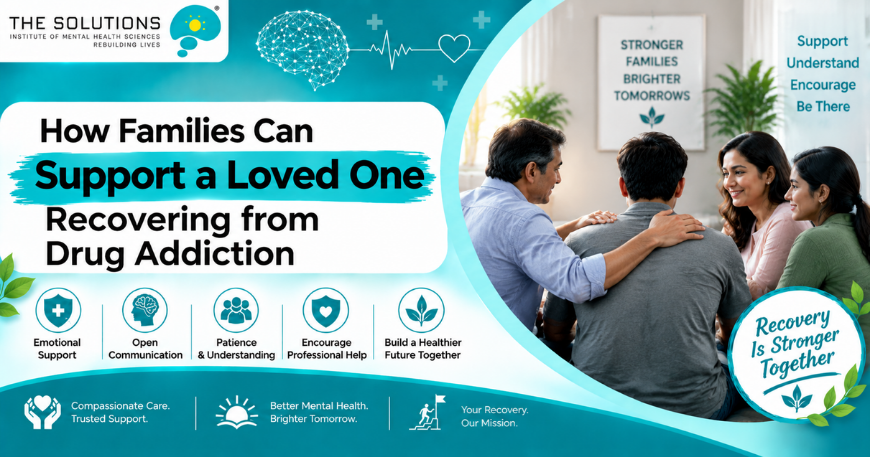
Addiction affects more than the individual. Family members may experience stress, confusion, financial difficulties, communication problems, or emotional exhaustion.
Family counselling and education can help loved ones understand addiction and learn how to provide appropriate support. Families may learn about:
One of the most important parts of What Happens During Drug Addiction Treatment? A Step-by-Step Guide is understanding relapse prevention.
Recovery does not end when a person completes a treatment program. Individuals may encounter stress, cravings, social pressure, emotional challenges, or other triggers after returning to everyday life. A relapse-prevention plan may help individuals identify:
Choosing an Addiction Treatment Center is an important decision. Before selecting a facility, individuals and families should consider several factors.
Check whether qualified professionals are available to assess individual needs and provide appropriate treatment.
Look for a program that considers the person’s substance-use history, physical health, emotional needs, and recovery goals.
A comprehensive program may include assessment, detox support, counselling, rehabilitation, family guidance, relapse prevention, and aftercare.
A respectful and structured environment can help individuals focus on recovery without unnecessary judgement.
Family education and counselling can strengthen communication and provide better support during recovery.
Ask whether the treatment program guides maintaining recovery after the main treatment phase.
For individuals and families looking for professional addiction treatment in Hyderabad, choosing a centre that offers personalised and recovery-focused care can be an important step. The Solution IMHS provides structured addiction support designed around individual requirements. The approach can include counselling, rehabilitation, recovery planning, family support, and strategies for maintaining long-term progress.
If you are searching for drug addiction treatment in Hyderabad, consider discussing your situation with qualified professionals before deciding which level of care may be appropriate.
Drug addiction treatment can involve several interconnected services rather than a single treatment session.
Professional detox support can help individuals manage withdrawal safely when medically appropriate.
Counselling can address emotional challenges, triggers, cravings, and behavioural patterns.
Rehabilitation focuses on developing healthier routines, coping skills, confidence, and strategies for maintaining recovery.
Relapse-prevention planning helps individuals prepare for triggers and challenging situations.
Family support can improve communication and help loved ones understand the recovery process.
Ongoing support can help individuals maintain the progress they have made during treatment. At The Solution IMHS, these services can be considered as part of an individualised recovery approach based on professional assessment and personal needs.
Understanding What Happens During Drug Addiction Treatment? A Step-by-Step Guide can decide to seek help feel less uncertain. Treatment may begin with assessment and detoxification before moving into counselling, rehabilitation, behavioural support, relapse prevention, and aftercare.
Every recovery journey is different. The most suitable treatment approach depends on the individual’s circumstances, substance use, health, and professional assessment. If you or someone you care about is struggling with drug addiction, seeking professional guidance can be an important first step.
The Solution IMHS is committed to providing compassionate, personalised, and recovery-focused addiction support in Hyderabad.
Connect with us today to discuss your needs and take the first step toward a healthier, drug-free future.
What Happens During Drug Addiction Treatment? A Step-by-Step Guide begins with assessment, treatment planning, and understanding the individual's recovery needs.
What Happens During Drug Addiction Treatment? A Step-by-Step Guide may begin with detox when medically appropriate, followed by rehabilitation and recovery support.
What Happens During Drug Addiction Treatment? A Step-by-Step Guide includes counselling, behavioural support, rehabilitation, and relapse-prevention strategies after detox.
What Happens During Drug Addiction Treatment? A Step-by-Step Guide may include family counselling and guidance to strengthen communication and recovery support.
What Happens During Drug Addiction Treatment? A Step-by-Step Guide can include aftercare and ongoing support to help individuals maintain long-term recovery.
WhatsApp us