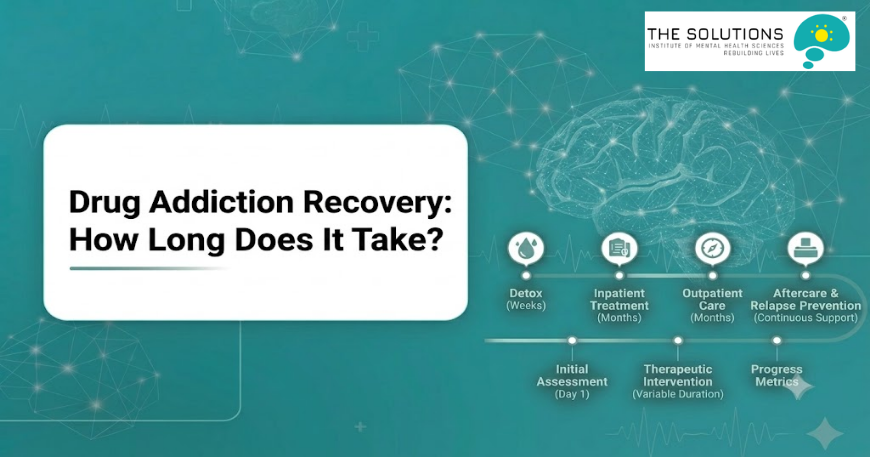
Recovering from drug addiction is a deeply personal journey, and one of the first questions many individuals and families ask is, “Drug Addiction Recovery: How Long Does It Take?” There is no universal timeline because recovery depends on the person’s substance use history, physical health, emotional well-being, level of dependence, treatment response, and support system.
Drug addiction can influence the brain, behaviour, relationships, and everyday functioning. For this reason, lasting recovery involves much more than simply stopping drug use. It may include professional assessment, detoxification, counselling, therapy, rehabilitation, relapse prevention, and ongoing support. At The Solution IMHS, we believe meaningful recovery begins by understanding the individual. Our approach focuses on personalised treatment, compassionate guidance, behavioural support, and recovery planning that reflects each person’s specific needs.
Drug addiction recovery is a gradual process of rebuilding physical health, emotional stability, confidence, and healthy daily habits. The journey can look different for every person. Treatment may begin with a professional assessment to understand the individual’s substance use and overall well-being. Depending on the situation, the next stage may involve medically supervised detoxification, followed by rehabilitation and therapy.
As treatment progresses, individuals can learn how to recognise triggers, manage cravings, handle stress, improve relationships, and make healthier decisions. Continued support can then help maintain these changes after structured treatment ends.
No fixed number of days or months guarantees recovery. Some people may benefit from an intensive treatment program lasting several weeks, while others may require longer rehabilitation and continuing aftercare.
The early stage of recovery may focus on stabilisation and withdrawal management. Rehabilitation can then address the psychological and behavioural aspects of addiction. Once intensive treatment is completed, continued counselling and recovery support may help individuals maintain their progress. Therefore, the question Drug Addiction Recovery: How Long Does It Take? cannot be answered with one specific timeframe. The right duration is based on individual needs, treatment progress, and professional recommendations.
Detoxification is often an important first step, but it is not the same as complete addiction recovery. Detox focuses primarily on helping the body adjust after substance use stops.
Withdrawal symptoms can vary depending on the drug, amount used, duration of use, and individual health. Some withdrawal syndromes can be medically serious, making professional supervision important in certain situations.
After detox, individuals may still need therapy and rehabilitation to address cravings, emotional difficulties, behavioural patterns, and the circumstances that contributed to substance use. Recovery begins with stopping harmful substance use but continues through the process of developing healthier ways to live.
Several personal factors can influence how long addiction recovery takes. The type of drug and the pattern of substance use are important considerations because different substances can create different physical and psychological challenges. The length and severity of addiction may also affect treatment needs. Someone who has experienced long-term or severe dependence may require more comprehensive rehabilitation and Drug Treatment than someone with a shorter history of problematic use.
Physical health is another important consideration. Existing medical concerns may require additional monitoring and care during treatment. Similarly, mental health concerns such as anxiety, depression, trauma, or chronic stress may need to be addressed alongside addiction. The individual’s participation in treatment also matters. Regular involvement in counselling, therapy, rehabilitation activities, and follow-up care can support steady progress.
Rehabilitation provides a structured opportunity to work on the deeper challenges associated with addiction. It can help individuals understand their patterns of substance use and learn practical ways to respond to difficult situations.
Counselling and therapy may focus on emotional regulation, stress management, decision-making, communication, self-confidence, and coping strategies. Individuals can also learn how to identify situations that may increase their risk of returning to substance use.
At The Solution IMHS, rehabilitation is approached as a personalised process. Treatment can be adapted according to individual circumstances, progress, and recovery goals rather than relying on a standard timeline for everyone.
Addiction can affect the way a person thinks, feels, and behaves. Therapy can help address these areas and provide practical tools for long-term recovery.
During counselling, individuals may explore emotional triggers, unhealthy thought patterns, relationship difficulties, and situations associated with drug use. Evidence-based approaches such as Cognitive Behavioural Therapy may help individuals develop more constructive ways of responding to stress and challenging thoughts. Therapy can also support confidence, emotional awareness, communication, and healthy decision-making. These skills can become valuable foundations for life after rehabilitation.
Some individuals may complete an intensive treatment program within a few weeks, but this does not necessarily mean that their recovery journey is complete. Addiction often involves habits and behavioural patterns that developed over a considerable period of time.
Returning to everyday life can introduce new challenges, including stress, social pressure, emotional difficulties, or exposure to previous triggers. Continued support can help individuals apply the skills learned during treatment to real-world situations. Rather than focusing solely on completing treatment quickly, the goal should be to achieve meaningful and sustainable progress.
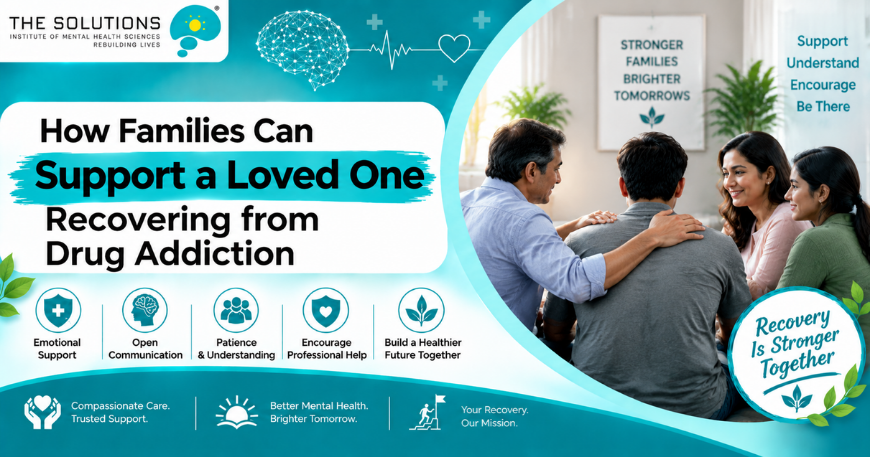
Addiction affects families emotionally and practically. Loved ones may want to help but may not know how to respond to substance-related behaviors. Family counseling can provide education about addiction and help relatives develop healthier communication and support strategies. It can also help families establish appropriate boundaries while encouraging treatment participation.
A supportive family environment can make recovery feel less isolating. Encouragement, understanding, and appropriate professional guidance can help individuals stay connected to their recovery goals.
Recovery continues after formal treatment ends. Everyday situations can sometimes create cravings or emotional challenges, which is why relapse prevention is an important part of long-term care. A strong recovery plan can help individuals identify personal triggers and recognize early warning signs. It can also provide strategies for managing stress, avoiding high-risk situations, maintaining healthy routines, and seeking professional support when necessary.
If a setback occurs, it should be treated as an indication that additional support may be needed rather than as proof that recovery is impossible. Reviewing and strengthening the treatment plan can help individuals move forward.
Long-term recovery becomes stronger when healthy habits become part of everyday life. A structured routine can provide stability and reduce opportunities for unhealthy behaviours. Regular sleep, balanced nutrition, physical activity, meaningful hobbies, supportive relationships, and productive goals can all contribute to overall well-being.
Individuals may also benefit from pursuing education, employment, personal interests, or other activities that provide a sense of achievement and purpose. Building a meaningful lifestyle can help shift attention from addiction toward future goals.
Choosing the Right Recovery provider is an important decision for both individuals and families. Professional expertise, individualised care, rehabilitation support, therapy, family involvement, and aftercare can all contribute to a comprehensive recovery experience.
The Solution IMHS focuses on providing personalised addiction recovery support based on each individual’s circumstances. Our approach aims to address not only substance use but also the emotional, behavioural, and lifestyle factors that can influence recovery. With appropriate professional guidance, individuals can work toward stronger coping skills, healthier routines, improved emotional well-being, and greater confidence in managing life without drugs.
Ultimately, Drug Addiction Recovery: How Long Does It Take? depends on the individual. Initial stabilisation may take days or weeks, rehabilitation can continue for weeks or months, and aftercare may remain valuable for an extended period.
There is no benefit in rushing the process simply to meet a particular deadline. Recovery should allow enough time for individuals to stabilise, understand their addiction, develop coping skills, strengthen support systems, and prepare for life beyond structured treatment. A professional assessment can provide a clearer picture of the appropriate treatment approach and help establish realistic recovery expectations.
Drug addiction can make the future seem uncertain, but recovery is possible with appropriate professional support and a commitment to change. The right treatment approach can help individuals move beyond substance dependence and rebuild their health, relationships, confidence, and daily lives.
At The Solution IMHS, we are committed to providing compassionate, structured, and individualised addiction recovery support. Our focus is on helping individuals take meaningful steps toward long-term wellness rather than promising a one-size-fits-all recovery timeline.
If you or a loved one is struggling with drug addiction, reaching out for professional help can be the beginning of a positive change.
Contact us today to learn more about addiction recovery support and take the first step toward a healthier, drug-free future.
Drug Addiction Recovery: How Long Does It Take? varies based on the substance, severity of addiction, health, and treatment progress.
Yes, Drug Addiction Recovery: How Long Does It Take? depends on individual needs and consistent professional support.
No. Detox is an initial step, while Drug Addiction Recovery: How Long Does It Take? also involves therapy and rehabilitation.
Yes, therapy can support Drug Addiction Recovery: How Long Does It Take? by helping manage triggers, cravings, and unhealthy behaviours.
Yes, aftercare can support Drug Addiction Recovery: How Long Does It Take? by helping maintain long-term recovery.
WhatsApp us