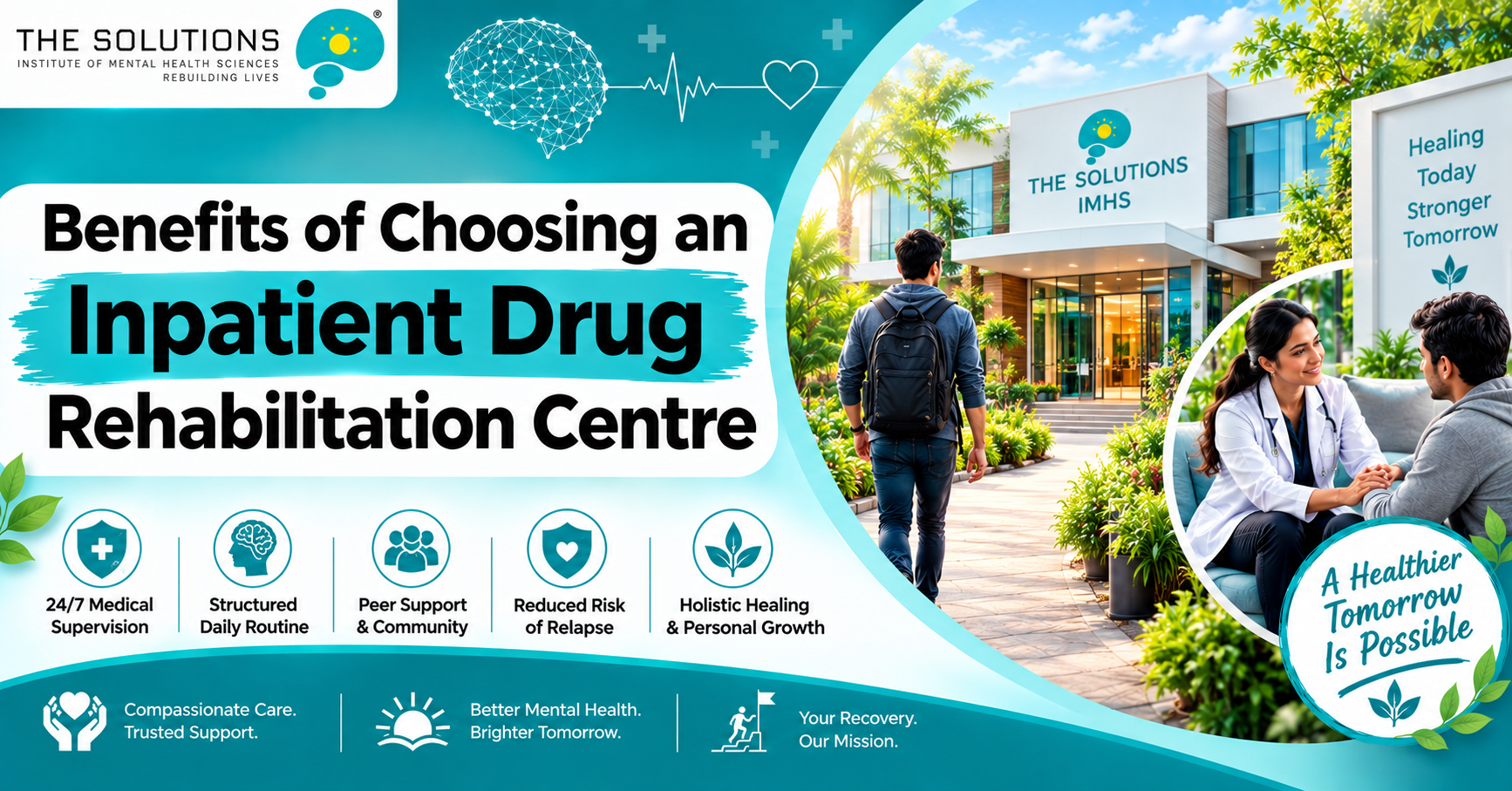
Drug addiction can affect physical health, emotional well-being, relationships, work, and everyday life. While some individuals may try to stop using substances independently, withdrawal symptoms, cravings, emotional triggers, and exposure to familiar environments can make the process challenging. Professional rehabilitation provides a structured environment where individuals can receive appropriate medical, psychological, and emotional support.
An inpatient drug rehabilitation centre provides residential care, allowing individuals to stay away from environments and situations that may encourage substance use. This can make it easier to focus on treatment, understand the causes of addiction, develop healthier coping mechanisms, and prepare for life after rehabilitation. At The Solutions IMHS, addiction treatment is approached as a health and behavioural concern requiring personalised care.
Inpatient rehabilitation is different from simply attending occasional counselling sessions. Individuals stay within a structured treatment environment and can receive consistent professional support throughout their program. One of the major advantages is separation from triggers. People struggling with substance dependence may regularly encounter friends, places, stressors, or situations associated with drug use. Staying in a rehabilitation setting creates distance from these influences and provides an opportunity to develop new habits.
Another benefit is consistent daily structure. Recovery can become difficult when there is no routine. A residential program can introduce scheduled therapy, medical assessments, healthy meals, rest, recreational activities, and other recovery-focused routines. For individuals experiencing addiction alongside mental health concerns, integrated treatment can be particularly important. The Solutions IMHS provides care for conditions such as depression, stress-related disorders, bipolar disorder, OCD, schizophrenia, and personality disorders in addition to substance-related concerns.
When considering Rehabilitation, families often compare inpatient and outpatient treatment. Both approaches can have an important role, but they are not suitable for everyone.
Inpatient treatment involves staying at the rehabilitation facility for a planned period. This approach may be appropriate when an individual needs a highly structured environment, closer professional monitoring, or separation from substance-related triggers. Potential advantages include:
Outpatient care allows individuals to receive treatment while continuing to live at home. It may be suitable for people whose condition and circumstances allow them to remain in their usual environment while attending scheduled appointments. The right option depends on factors such as the severity of substance dependence, withdrawal risks, mental health concerns, home environment, previous treatment history, and professional assessment. The Solutions IMHS states that it provides both inpatient rehabilitation programs and outpatient services depending on individual needs.
Addiction can involve physical, emotional, behavioural, and social factors. Simply deciding to stop using drugs may not always be enough to overcome these challenges. Common difficulties can include:
Withdrawal can involve uncomfortable or potentially serious symptoms depending on the substance involved and the individual’s health. Professional assessment can help determine the appropriate level of care and whether medical supervision is required.
Treatment does not stop with physical stabilisation. Psychological support can help individuals understand why substance use became part of their lives and identify healthier ways to respond to stress, emotional difficulties, and cravings.
Therapy can help individuals recognise patterns associated with substance use. Counselling may address emotional difficulties, relationships, motivation, behavioural patterns, and relapse risks.
A comprehensive rehabilitation approach may combine medical care with behavioural and psychological interventions rather than focusing only on detoxification. The Solutions IMHS describes its drug de-addiction approach as incorporating medical detox, behavioural therapy, counselling, and structured rehabilitation.
Some individuals experience substance dependence alongside depression, anxiety, stress-related difficulties, bipolar disorder, OCD, schizophrenia, or other mental health concerns. Treating these issues alongside addiction can be important for creating a more complete recovery plan.
Choosing a rehabilitation centre is an important decision for both the individual and their family. Instead of selecting a facility based only on location or promotional claims, consider the quality and range of care provided.
Check whether qualified healthcare professionals are available to assess the individual’s physical and psychological condition. Addiction treatment may require medical attention, particularly during withdrawal or when other health concerns are present.
Addiction affects people differently. A suitable rehabilitation program should consider substance-use history, physical health, psychological well-being, family circumstances, and recovery goals. Personalised care can help ensure that treatment is relevant to the individual’s needs instead of relying on a single approach for everyone.
Detoxification is only one part of Drug Rehabilitation. Ask whether the centre provides counselling, behavioural therapy, family support, relapse-prevention guidance, and other psychological interventions.
If substance use occurs alongside depression, bipolar disorder, OCD, schizophrenia, stress-related conditions, or other psychiatric concerns, integrated mental health care can be valuable.
Recovery continues after residential treatment ends. Ask how the centre supports patients after discharge, including follow-up appointments, relapse-prevention strategies, family guidance, and ongoing counselling.
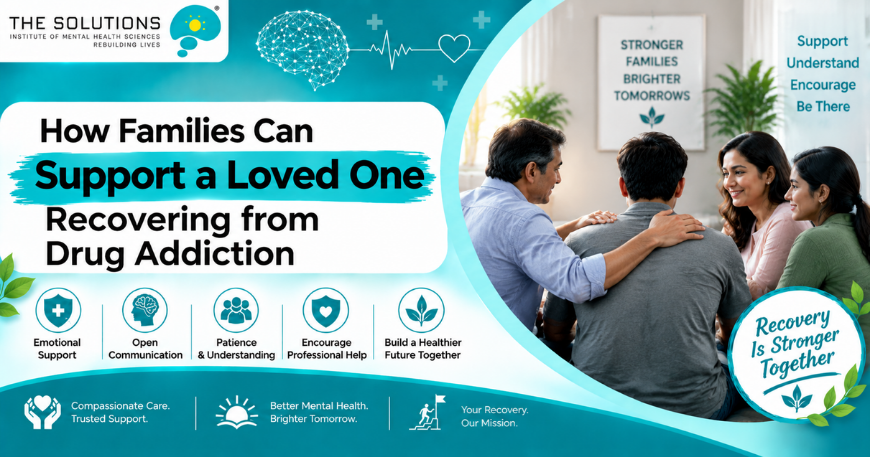
Addiction affects families as well as individuals. Family education and counselling can help loved ones understand addiction, communicate more effectively, and create a healthier environment after treatment.
Families searching for an inpatient drug rehabilitation centre in Hyderabad may want a facility that combines addiction treatment with mental health support.
The Solutions IMHS provides rehabilitation and mental health services in Hyderabad, including drug de-addiction, alcohol de-addiction, smoking cessation, and treatment support for several psychiatric and behavioural conditions.
Its rehabilitation approach focuses on structured care and individualised treatment. The centre also recognises the importance of family participation and provides family counselling and education as part of its broader recovery approach.
There is no universal recovery plan that works identically for every individual. Treatment requirements can vary depending on the substance involved, duration of use, physical health, psychological condition, family circumstances, and previous treatment experiences. A comprehensive rehabilitation program may include:
For someone struggling with substance dependence, choosing professional care can provide a safer and more organised path toward recovery. Inpatient treatment can be especially helpful when an individual needs separation from triggers, structured routines, and consistent professional support.
Choosing an inpatient drug rehabilitation centre can provide individuals with a structured environment where they can focus on treatment, develop healthier coping skills, address underlying concerns, and prepare for life beyond rehabilitation.
Contact us today to discuss your treatment needs, understand available rehabilitation options, and receive professional guidance for addiction and mental health care.
The Benefits of Choosing an Inpatient Drug Rehabilitation Centre include structured care and professional support.
The Benefits of Choosing an Inpatient Drug Rehabilitation Centre include a safe and supportive recovery environment.
The Benefits of Choosing an Inpatient Drug Rehabilitation Centre can help people needing structured addiction treatment.
The Benefits of Choosing an Inpatient Drug Rehabilitation Centre include counselling, medical care, and relapse prevention.
The Solutions IMHS offers the Benefits of Choosing an Inpatient Drug Rehabilitation Centre through professional rehabilitation care.
WhatsApp us