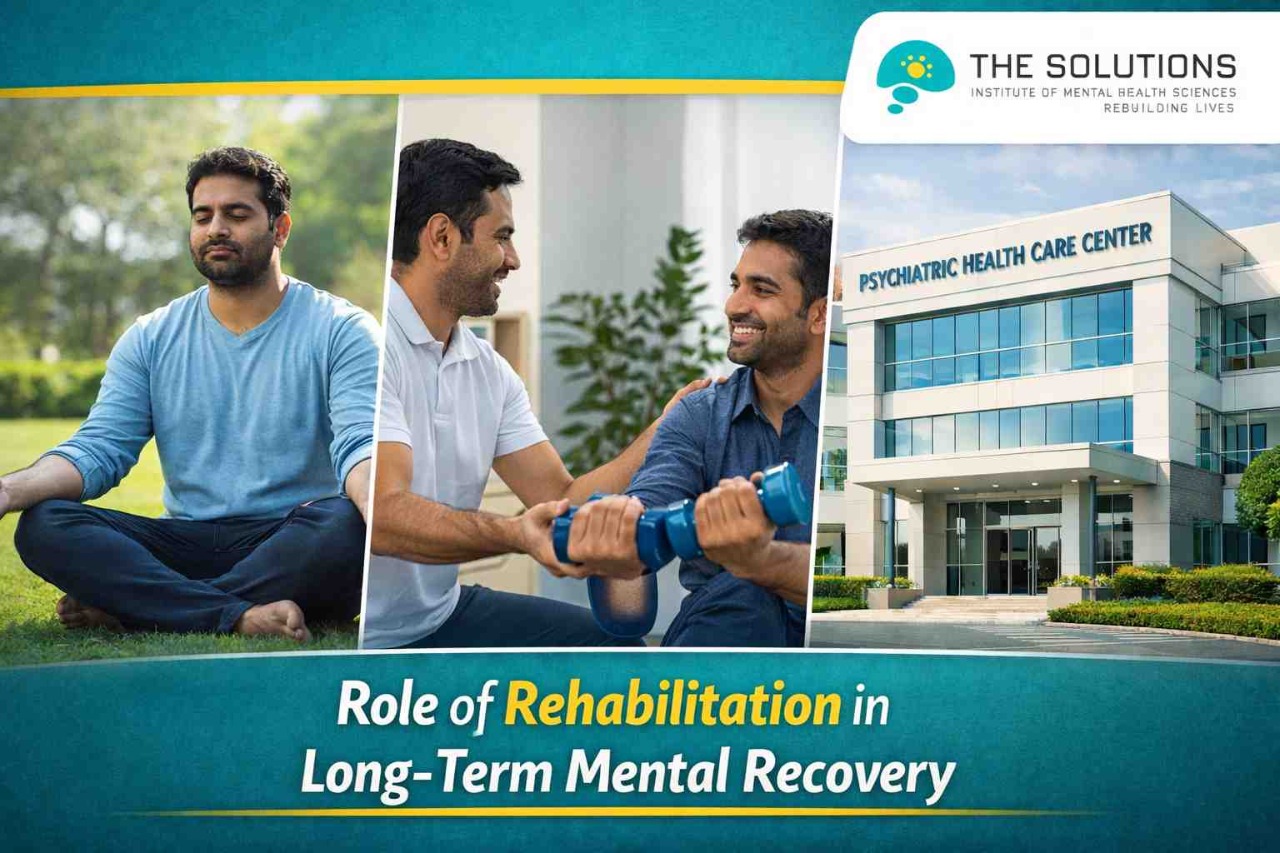
Mental health recovery is not a one-time process – it is a continuous journey that requires consistent care, support, and structured intervention. The Role of Rehabilitation in Long-Term Mental Recovery is crucial in helping individuals with alcohol addiction regain control over their lives, rebuild emotional strength, and maintain lasting stability.
In a growing urban environment like Hyderabad, where stress, addiction, and lifestyle-related mental health challenges are increasingly common, rehabilitation centers play a transformative role. They provide a safe, supportive, and structured environment where individuals can heal holistically.
Leading mental health platforms such as The Solutions IMHS focus on comprehensive rehabilitation programs designed to address both the psychological and behavioral aspects of recovery. These programs are essential for individuals dealing with mental health disorders, substance abuse, and emotional instability.
Rehabilitation is more than just treatment-it is a long-term strategy that focuses on restoring an individual’s ability to function independently and lead a fulfilling life.
While initial psychiatric treatment addresses acute symptoms, rehabilitation ensures that individuals can sustain recovery in their everyday lives. It bridges the gap between clinical care and real-world challenges.
Rehabilitation centers provide a controlled and distraction-free environment where individuals can focus entirely on their recovery journey. This structured approach minimizes triggers and promotes consistent progress.
A key aspect of rehabilitation is equipping individuals with essential life skills such as stress management, emotional regulation, communication, and decision-making.
The role of Rehabilitation in Long-Term Mental Recovery becomes evident through the various components that contribute to sustainable healing.
Every individual’s mental health condition is unique. Rehabilitation programs are tailored to meet specific needs, ensuring targeted and effective treatment.
Therapies such as Cognitive Behavioral Therapy (CBT), group therapy, and individual counseling sessions help individuals understand their thoughts, emotions, and behaviors.
For individuals requiring medication, professional supervision ensures proper dosage, monitoring, and adjustments to avoid side effects or dependency.
Rehabilitation centers often incorporate holistic practices such as meditation, yoga, and mindfulness to enhance emotional well-being and reduce stress.
Family involvement plays a significant role in recovery. Counseling sessions help families understand the condition and provide the right support system.
Substance abuse is one of the major contributors to mental health issues. The Role of Rehabilitation in Long-Term Mental Recovery is especially critical in addiction treatment.
Rehabilitation begins with detoxification, where harmful substances are safely removed from the body under medical supervision.
Therapies focus on identifying triggers, changing harmful behaviors, and building healthier coping mechanisms.
One of the most important aspects of rehabilitation is relapse prevention. individuals are taught how to manage cravings, avoid triggers, and maintain sobriety.
Recovery does not end after leaving the rehabilitation center. Ongoing support through follow-ups and counseling ensures long-term success.
The impact of rehabilitation extends far beyond immediate treatment, making it an essential part of the recovery journey.
Rehabilitation helps individuals manage their emotions effectively, reducing the risk of relapse or recurring mental health episodes.
With enhanced coping skills and emotional balance, individuals can rebuild relationships and perform better in their professional lives.
Therapy and counseling sessions help individuals understand themselves better, boosting confidence and self-esteem.
Structured programs and continuous monitoring significantly lower the chances of relapse, ensuring long-term recovery.
Ignoring rehabilitation can lead to incomplete recovery and increased risk of relapse. Without structured support, individuals may struggle to cope with real-life challenges after initial treatment.
Without proper guidance, individuals may revert to unhealthy behaviors when faced with stress or emotional triggers.
Absence of follow-up care and monitoring increases the likelihood of recurring mental health issues or substance abuse.
Rehabilitation programs prepare individuals to reintegrate into society, something that is often difficult without professional support.
Selecting the right rehabilitation center is a critical decision that can significantly impact recovery outcomes.
Look for centers with qualified psychiatrists, psychologists, and therapists who specialize in mental health and addiction recovery.
A good rehabilitation center offers a combination of therapy, medication, and holistic approaches.
Personalized treatment plans ensure that each individual receives the attention and care they need.
A safe and positive environment plays a vital role in encouraging recovery and maintaining motivation.
The field of mental health rehabilitation is evolving rapidly, with advancements in technology and treatment methods.
Online counseling and teletherapy are making mental health support more accessible to individuals across different locations.
Modern approaches such as art therapy, music therapy, and experiential therapy are enhancing the effectiveness of rehabilitation programs.
Combining physical, mental, and emotional health treatments ensures a more holistic recovery process.
The Role Of Rehabilitation in Long-Term Mental Recovery plays a crucial role in building a healthier future. Don’t delay getting the support you deserve.
Contact The Solutions IMHS today and begin your path toward recovery and well-being.
Rehabilitation builds coping skills and stability. The role of rehabilitation in long-term mental recovery ensures lasting healing and reduces relapse risks.
They offer therapy, structure, and guidance. The Role Of Rehabilitation in Long-Term Mental Recovery helps maintain emotional balance and steady progress.
When symptoms persist or relapse occurs. The role of rehabilitation in long-term mental recovery ensures structured care and better long-term outcomes.
Yes, it teaches coping strategies and monitoring. The role of rehabilitation in long-term mental recovery focuses on relapse prevention and stability.
They offer personalized care and support systems. The Role of Rehabilitation in Long-Term Mental Recovery improves confidence and overall life quality.

WhatsApp us