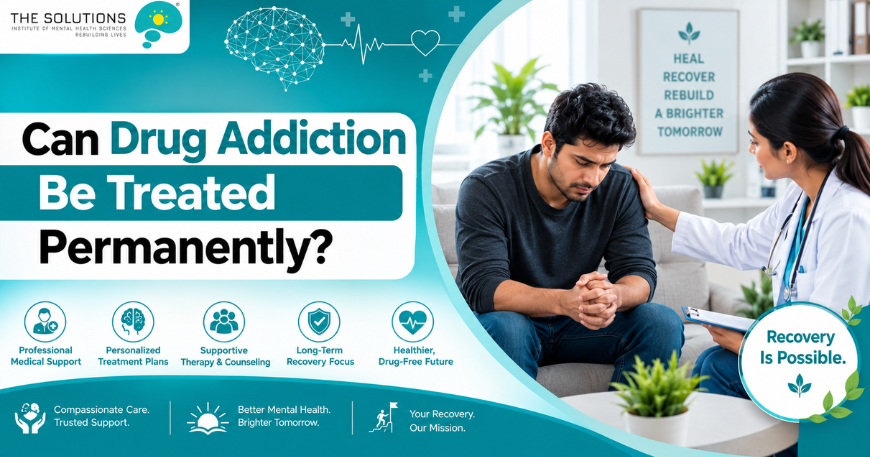
Drug addiction can affect physical health, emotional well-being, relationships, work, and everyday life. One of the most common questions families ask is, “Can drug addiction be treated permanently?” The answer requires understanding that addiction is a complex condition, and recovery is often a long-term process rather than a one-time treatment. With appropriate professional care, many people can achieve long-term recovery and build healthier, substance-free lives. Treatment may include medical and psychiatric support where appropriate, counselling, behavioural therapies, de-addiction programs, rehabilitation, family involvement, and continuing recovery support.
The Solutions IMHS provides structured and compassionate support for individuals and families dealing with substance-use concerns. The focus is on personalised care, professional guidance, rehabilitation, and helping individuals develop the skills needed for sustainable recovery.
When people ask, “Can drug addiction be treated permanently?”, they may expect a treatment that eliminates the possibility of relapse. In reality, addiction recovery is better understood as an ongoing process.
A person can achieve long-term recovery and remain drug-free, but continued awareness and support may be important. Recovery involves more than stopping drug use. It can include addressing emotional triggers, developing healthier routines, rebuilding relationships, improving coping skills, and creating a supportive lifestyle. Professional treatment can help individuals understand the factors contributing to substance use and learn healthier ways to respond to stress, cravings, and challenging situations. The goal is not simply short-term abstinence. It is to help individuals build a stable and meaningful life in which substance use no longer controls their choices.
There is an important difference between stopping drug use and maintaining long-term recovery.
Short-Term Approach | Long-Term Recovery Approach |
Focuses mainly on stopping substance use | Focuses on sustainable lifestyle changes |
May provide immediate support | Includes continued recovery planning |
May not address underlying triggers | Addresses emotional and behavioural factors |
Limited family involvement | Can include family education and support |
Higher risk of returning to old patterns without support | Encourages healthy coping and relapse prevention |
This does not mean recovery is impossible. Many individuals successfully maintain long-term recovery with the right combination of treatment, personal commitment, professional support, and a healthy environment.
Addiction can involve powerful physical, emotional, behavioural, and social factors. Simply deciding to stop using drugs may not always be enough to overcome these challenges. During Drug Addiction Recovery, some common difficulties can include:
These challenges highlight why professional support can be valuable. A structured rehabilitation program can help individuals identify personal triggers and develop practical strategies for managing them.
Some individuals may want to stop using drugs but find it difficult to do so independently.
Solution: Professional de-addiction treatment can provide structured support and help individuals begin their recovery journey safely and appropriately.
Stress, anxiety, difficult relationships, trauma, or other emotional challenges may contribute to substance use.
Solution: Counselling and psychological support can help individuals understand their triggers and develop healthier coping mechanisms.
Completing an initial treatment program does not automatically eliminate the risk of returning to substance use.
Solution: Ongoing recovery planning, relapse-prevention strategies, family support, and follow-up care can help individuals maintain progress.
Addiction can create emotional and communication difficulties within families.
Solution: Family counselling and education can help relatives understand addiction, communicate more effectively, and provide constructive support.
A comprehensive recovery program may include several services based on individual requirements.
De-addiction treatment focuses on helping individuals move away from harmful substance use through structured professional care. Depending on the situation, treatment may involve medical supervision, counselling, behavioural support, and recovery planning.
Counselling provides a safe and supportive environment to discuss emotional difficulties, personal triggers, relationships, and recovery challenges.
Rehabilitation focuses on helping individuals develop healthier routines, coping skills, social functioning, and greater confidence in managing everyday life without relying on drugs. Our Drug Rehabilitation Services can provide additional information about structured recovery support.
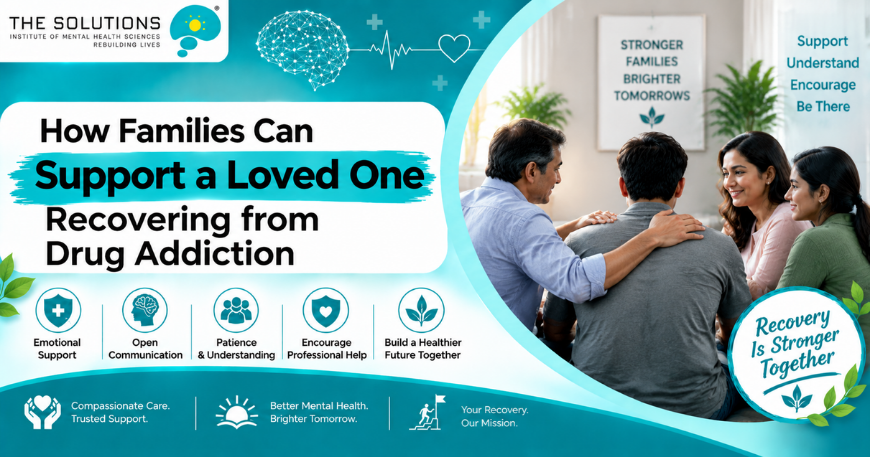
Family participation can be valuable during recovery. Educating family members about addiction can help them respond with understanding rather than judgment and encourage a healthier recovery environment.
Recovery does not necessarily end when a formal treatment program is completed. Aftercare can help individuals maintain healthy habits, recognise warning signs, and seek support when challenges arise.
If you are researching Can Drug Addiction Be Treated Permanently? Choosing the right treatment provider is an equally important consideration. Before selecting a rehabilitation centre, consider:
Check whether the centre follows a structured and professional approach to addiction treatment.
Every individual’s substance-use history and recovery needs are different. Look for individualised treatment planning.
Counselling should be an important part of addressing emotional and behavioural factors associated with addiction.
A good rehabilitation approach should focus on developing practical skills for everyday life.
Family education and counselling can strengthen the support system around the individual.
Continuing support can be useful in maintaining recovery after completing an initial program.
The Solutions IMHS understands that every recovery journey is different. Our approach focuses on compassionate, structured, and personalised support for individuals facing substance-use challenges.
Our services may include de-addiction treatment, addiction counselling, drug rehabilitation, psychiatric support, family guidance, and recovery-focused aftercare, depending on individual requirements.
Rather than viewing recovery as a single event, the focus is on helping individuals make sustainable changes and develop healthier ways of managing everyday challenges. For families in Hyderabad, having access to professional addiction support can make it easier to understand available treatment options and take appropriate next steps.
So, can drug addiction be treated permanently? Long-term recovery is possible, but addiction should be approached as a condition that may require ongoing attention. There is no single treatment that guarantees that a person will never experience cravings or relapse. However, professional treatment can significantly support the recovery process.
The combination of appropriate treatment, counselling, rehabilitation, family support, healthy routines, and continuing care can help individuals work toward sustained recovery. nThe most important step is recognising that help is available. Seeking professional assistance early can provide an opportunity to understand the problem, explore suitable treatment options, and begin working toward a healthier future.
If you or someone you care about is struggling with drug addiction, you do not have to face the situation alone. Professional assessment and individualised treatment can help identify suitable recovery options.
The Solutions IMHS provides compassionate support through de-addiction treatment, counselling, rehabilitation, psychiatric care, family guidance, and ongoing recovery support based on individual needs.
Have questions about Can Drug Addiction Be Treated Permanently? or want to understand available treatment options?
Contact us today to discuss your concerns and learn more about our addiction treatment and rehabilitation services in Hyderabad.
Yes, Can Drug Addiction Be Treated Permanently? Long-term recovery is possible with proper treatment and support.
Yes, Can Drug Addiction Be Treated Permanently? Aftercare and healthy habits can support lasting recovery.
Yes, Can Drug Addiction Be Treated Permanently? Rehab helps manage addiction and develop recovery skills.
Yes, Can Drug Addiction Be Treated Permanently? Relapse prevention and counseling can support long-term recovery.
Yes, Can Drug Addiction Be Treated Permanently? Professional and family support can strengthen recovery.
WhatsApp us