
Quitting tobacco is not just about willpower—it is a medical, psychological, and behavioral journey. In a fast-paced urban environment like Hyderabad, tobacco use often becomes deeply linked to stress, routine, and social habits. Many people try to quit multiple times and feel discouraged after relapse. With the right clinical support, however, long-term recovery is achievable. This guide explains how structured care, medical supervision, and behavioral therapy work together to make smoking and tobacco de-addiction in Hyderabad safe, effective, and sustainable.
At the heart of recovery is a compassionate, evidence-based approach that treats nicotine dependence as a health condition—not a personal failure. At The Solutions IMHS, programs led by experienced mental health professionals focus on managing physical withdrawal, addressing psychological triggers, and supporting long-term lifestyle change, helping individuals achieve lasting freedom from tobacco use.
Nicotine addiction alters brain chemistry by stimulating dopamine release, reinforcing cravings and habitual use. Over time, the brain adapts, making sudden cessation uncomfortable and, for some, medically risky. Symptoms such as irritability, anxiety, sleep disturbance, and intense cravings are common.
Smoking and Tobacco De-Addiction in Hyderabad programs address this complexity through:
This clinical foundation helps individuals quit without unnecessary suffering and reduces the risk of relapse.
Tobacco affects nearly every organ system. Long-term use increases the risk of heart disease, stroke, chronic lung disorders, oral cancers, and mental health complications such as anxiety and depression. Passive exposure also harms family members, especially children.
Effective smoking and tobacco de-addiction in hyderabad services focus on the prevention of these risks by promoting early intervention, routine health screening, and sustained abstinence through follow-up care.
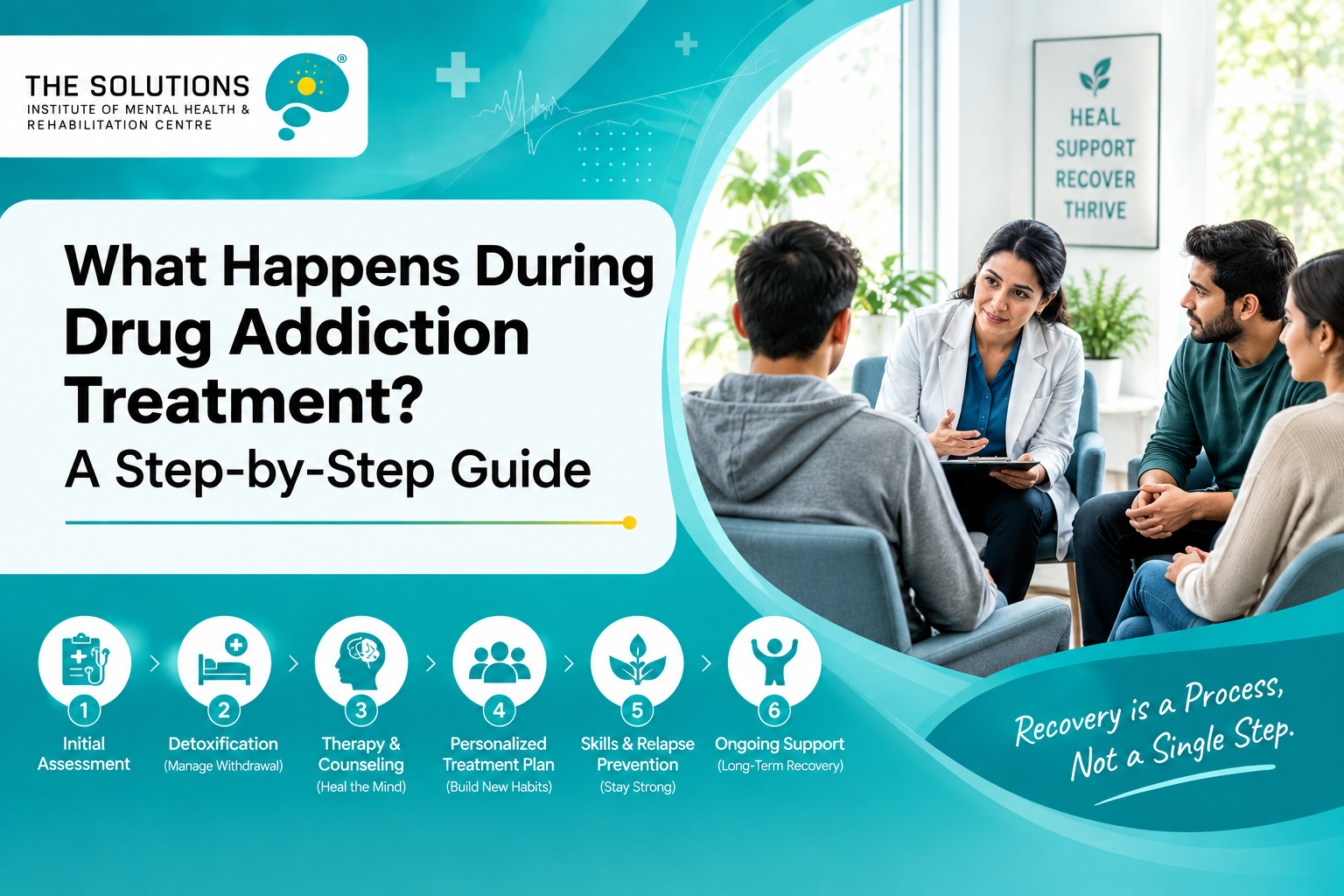
Successful recovery blends medical science with behavioral change. Programs are typically structured in phases:
At The Solutions IMHS, this integrated approach ensures individuals receive personalized care rather than generic advice.
A well-rounded recovery plan often addresses multiple dependencies and mental health factors together. The following three areas are commonly integrated into treatment plans.
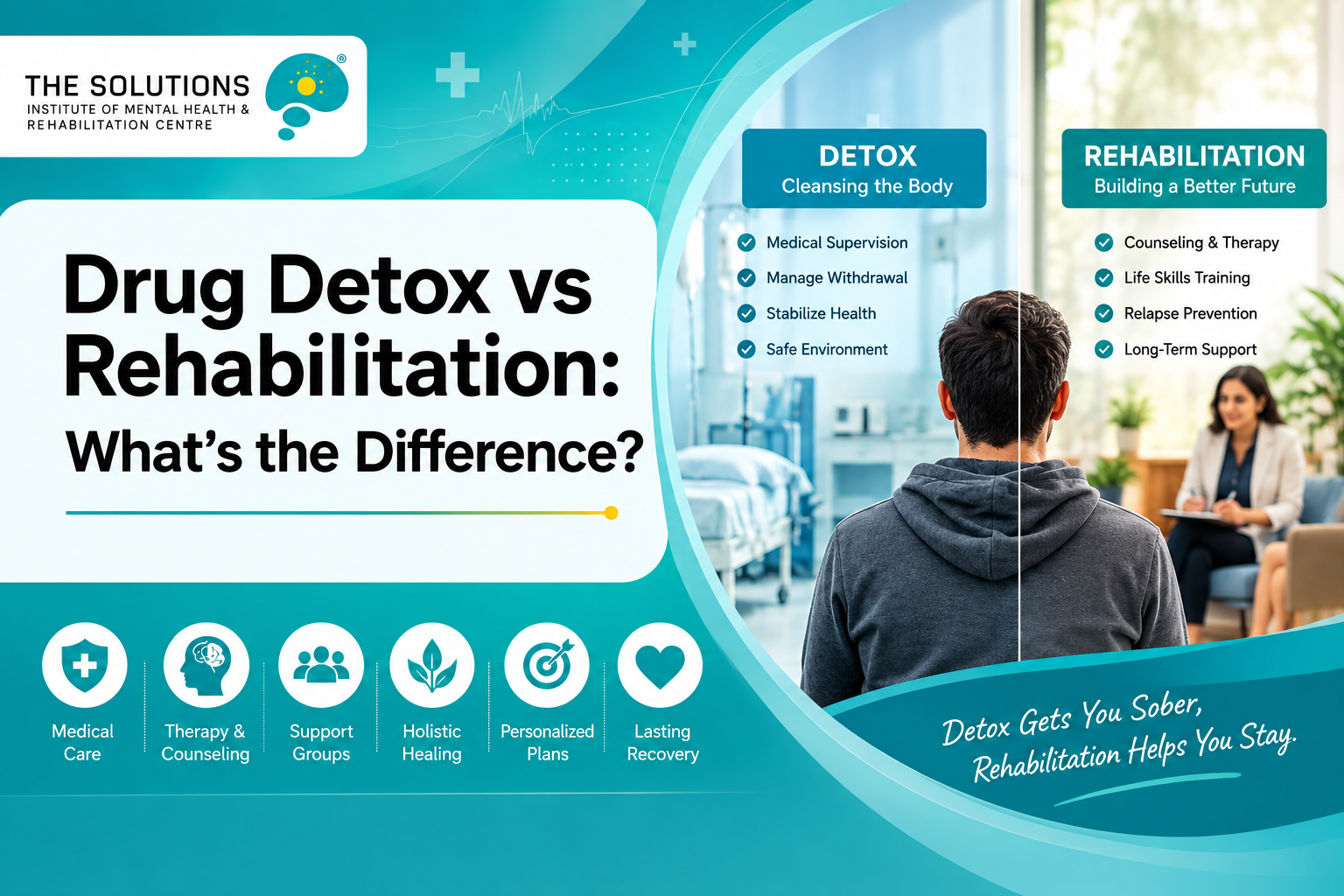
Nicotine dependence may coexist with other substance use. Coordinated care ensures withdrawal and therapy plans are aligned. Learn more through the center’s specialized Drug De-Addiction services, which emphasize safe detox and structured rehabilitation.
Dedicated smoking cessation protocols combine counseling, behavioral therapy, and, when appropriate, pharmacological aids. Evidence-based Smoking Cessation programs focus on habit replacement, stress regulation, and long-term abstinence.
Alcohol and tobacco frequently reinforce each other. Integrated Alcohol De-Addiction care reduces cross-triggers and improves overall recovery outcomes by treating both dependencies together.
Cravings are often emotional rather than physical. Cognitive Behavioral Therapy (CBT), motivational interviewing, and mindfulness-based techniques help individuals:
In smoking and tobacco de-addiction in hyderabad, therapy is not optional—it is essential for long-term success.
Recovery improves when families understand addiction and learn how to support change without judgment. Family counseling sessions educate loved ones on:
Centers like The Solutions IMHS encourage family participation to create a stable recovery environment at home.
Quitting tobacco is a long-term commitment. Aftercare includes:
Strong aftercare significantly improves outcomes for smoking and tobacco de-addiction in hyderabad, especially during the first year of abstinence.
When selecting a program, consider:
A center that meets these standards offers not just quitting assistance, but a pathway to better health.
Breaking free from nicotine is a life-changing decision that protects your health and improves emotional well-being. With medical supervision, therapy, and structured aftercare, quitting becomes achievable and sustainable. If you or a loved one is ready to begin recovery, reach out today for professional guidance.
Contact Us at The Solutions IMHS to start your journey toward lasting freedom from tobacco.
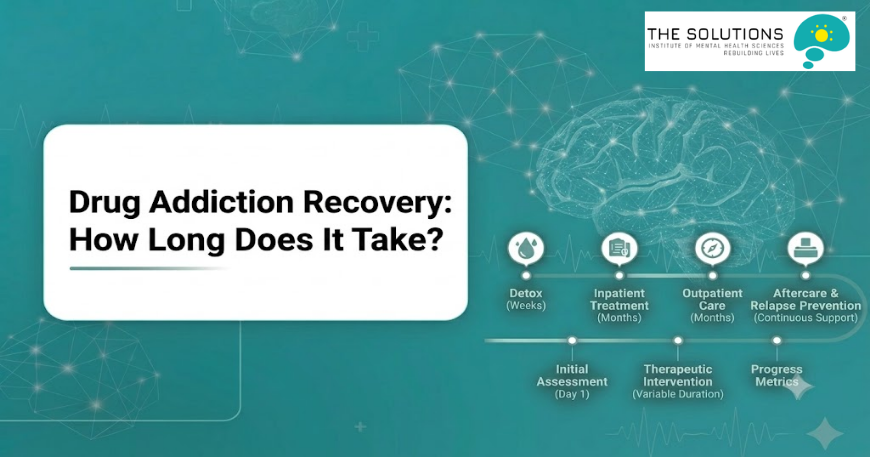
Recovery timelines vary, but smoking and tobacco de-addiction in hyderabad programs typically include several weeks of active treatment followed by months of aftercare support.
Not always. In smoking and tobacco de-addiction in hyderabad, medications are used only when clinically appropriate and combined with therapy.
While relapse risk exists, structured smoking and tobacco de-addiction in hyderabad programs significantly reduce it through planning and follow-ups.
During smoking and tobacco de-addiction in hyderabad, temporary mood changes may occur, which are managed through counseling and monitoring.
Yes, smoking and tobacco de-addiction in hyderabad services prioritize strict confidentiality and respectful care.
WhatsApp us