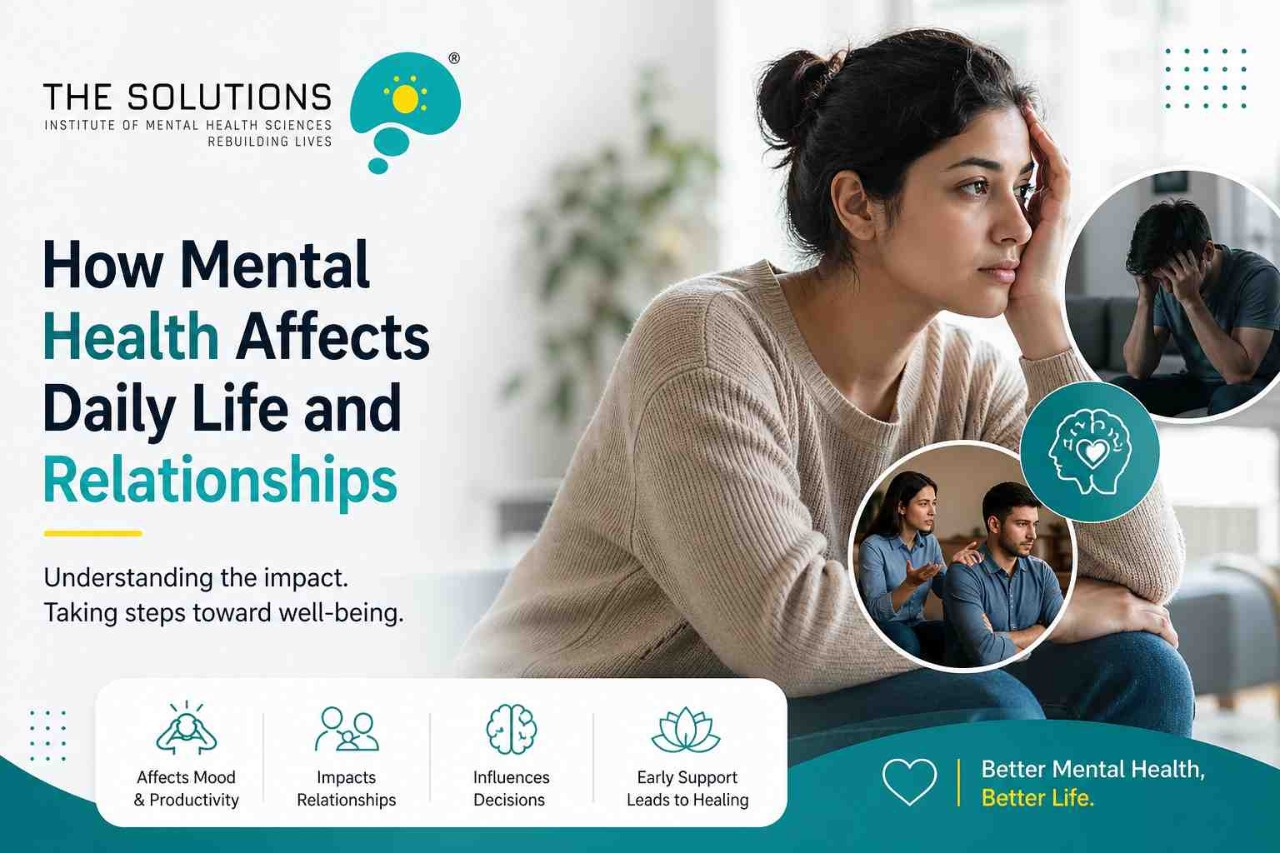
Mental health plays a crucial role in shaping how individuals think, feel, and behave in everyday life. It influences how people handle stress, interact with others, make decisions, and maintain relationships. Despite its importance, mental health is often overlooked until it begins to disrupt daily routines and personal connections. Understanding how mental health affects daily life and relationships can help individuals take proactive steps toward better emotional and psychological well-being.
In today’s fast-paced world, challenges like work pressure, social expectations, and personal struggles can significantly impact mental health. When left unaddressed, these issues can create a ripple effect across all areas of life, from productivity at work to the quality of relationships with family and friends.
Mental health directly affects a person’s ability to function effectively in daily life. When someone experiences conditions such as anxiety, depression, or stress, even simple tasks can become overwhelming.
A person struggling with poor mental health may find it difficult to concentrate, manage time, or stay motivated. This can lead to decreased productivity at work or school, missed deadlines, and a lack of enthusiasm for activities that were once enjoyable. Sleep disturbances, fatigue, and changes in appetite are also common, further affecting overall well-being.
In severe cases, individuals may withdraw from social interactions and isolate themselves, which can worsen their condition over time. Maintaining a balanced routine becomes challenging, leading to a cycle of stress and reduced performance.
For those seeking professional help, exploring services like
https://www.thesolutionsimhs.com/mental-health-treatment-in-hyderabad/
can be a valuable step toward regaining control over daily life.
Healthy relationships require emotional stability, communication, and mutual understanding. Mental health issues can disrupt these essential components, leading to misunderstandings, conflicts, and emotional distance.
Individuals dealing with anxiety or depression may struggle to express their feelings or may become overly sensitive to criticism. This can create tension in relationships, as partners, friends, or family members may not fully understand what the person is going through.
For example, someone experiencing depression might withdraw emotionally, making their loved ones feel neglected or unimportant. On the other hand, anxiety can lead to overthinking and constant worry, which may strain communication and trust.
Mental health issues often lead to emotional instability, affecting how individuals respond to situations and interact socially. Mood swings, irritability, and feelings of hopelessness can make it difficult to maintain positive interactions with others.
Social withdrawal is another common consequence. People may avoid gatherings, reduce communication, or completely isolate themselves due to fear, anxiety, or lack of energy. This isolation can deepen feelings of loneliness and worsen mental health conditions.
Additionally, poor mental health can lower self-esteem and confidence. Individuals may feel unworthy or incapable, which impacts their ability to form new relationships or maintain existing ones. Over time, this can lead to a reduced support system, making recovery even more challenging.
Improving mental health requires a combination of self-care, professional support, and lifestyle changes. Taking small, consistent steps can lead to significant improvements over time.
Develop Healthy Routines: Establishing a daily routine that includes proper sleep, balanced nutrition, and regular physical activity can positively impact mental well-being.
Practice Open Communication: Sharing thoughts and feelings with trusted individuals helps build stronger relationships and reduces emotional burden.
Seek Professional Help: Consulting mental health professionals ensures accurate diagnosis and effective treatment. Therapy, counseling, and medication (if needed) can help manage symptoms and improve quality of life.
Engage In Stress-Relieving Activities: Activities like meditation, yoga, and hobbies can reduce stress and enhance emotional balance.
Build A Support System: Surrounding oneself with supportive and understanding individuals creates a safe environment for recovery and growth.
Recognizing early signs of mental health issues is crucial for preventing long-term complications. Symptoms such as persistent sadness, excessive worry, lack of interest in activities, and difficulty concentrating should not be ignored.
Early intervention can significantly improve outcomes, allowing individuals to regain control over their lives before the condition worsens. Awareness also helps reduce stigma, encouraging more people to seek help without fear of judgment.
Educational initiatives, workplace mental health programs, and community support systems play a vital role in promoting mental well-being. By fostering a culture of understanding and acceptance, society can create a supportive environment for those struggling with mental health challenges.
Professional mental health care provides structured and evidence-based approaches to managing psychological conditions. Treatment plans are tailored to individual needs, ensuring comprehensive care that addresses both symptoms and underlying causes.
Therapies such as cognitive-behavioral therapy (CBT), psychotherapy, and group counseling are commonly used to help individuals develop coping strategies and improve emotional resilience. In some cases, medication may be prescribed to stabilize mood and reduce symptoms.
Rehabilitation programs are particularly beneficial for individuals dealing with addiction or severe mental health disorders. These programs focus on long-term recovery, helping individuals reintegrate into society and rebuild their lives.
Mental health significantly impacts daily life and relationships, influencing productivity, emotions, and connections. Early support can improve overall well-being and quality of life. At The Solutions IMHS, we provide expert care to help you regain balance and build stronger relationships.
Mental health plays a key role in daily functioning. Understanding How Mental Health Affects Daily Life and Relationships helps improve focus, routine, and overall productivity.
Strong relationships depend on stability. How Mental Health Affects Daily Life and Relationships explains how emotions, communication, and trust are deeply connected.
Yes, they impact behavior and communication. How Mental Health Affects Daily Life and Relationships highlights how stress can create distance and misunderstandings.
Mental stability supports better decisions. How Mental Health Affects Daily Life and Relationships shows how balance improves lifestyle, habits, and emotional strength.
Expert care brings positive change. How Mental Health Affects Daily Life and Relationships emphasizes treatment benefits for better coping, clarity, and relationships.


WhatsApp us