
Anxiety Symptoms in Adults and Depression vs. Sadness: Understanding Your Mental Health
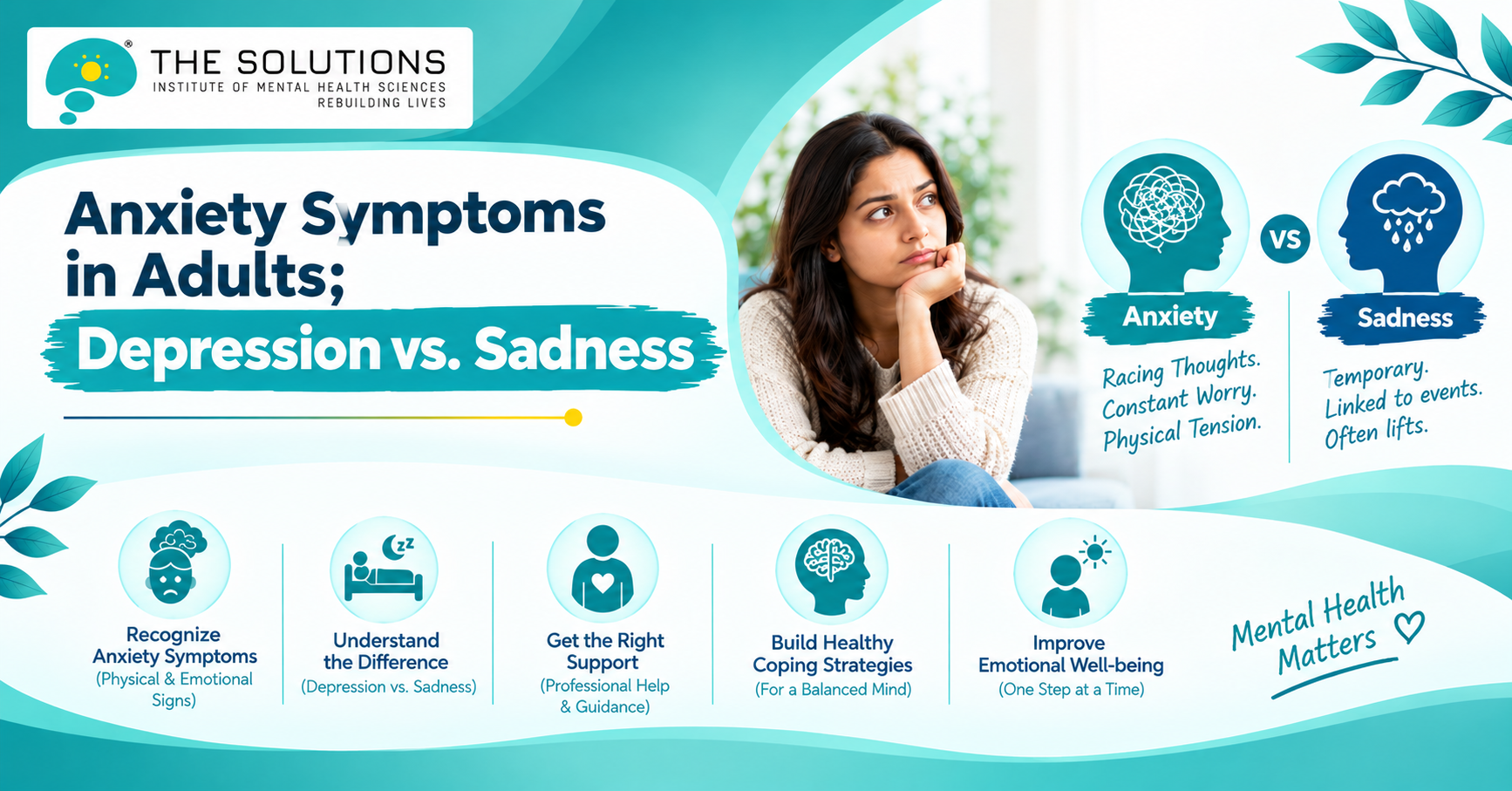
Mental health plays an important role in how we think, feel, manage stress, and connect with others. However, emotional difficulties are not always easy to recognise. Sometimes, constant worrying may be a sign of anxiety, while persistent low mood may indicate something more than temporary sadness.
Understanding anxiety symptoms in adults and the difference between depression and sadness can help individuals recognise changes in their emotional well-being. At The Solutions IMHS, understanding these warning signs is an important step towards helping individuals explore appropriate mental health support and make informed decisions about their well-being.
What is Anxiety and How Can It Affect Adults?
Anxiety is the body’s natural response to stress, uncertainty, or situations that feel threatening. Feeling nervous before an important meeting or worrying about a family problem is normal. However, when worry becomes persistent or difficult to control, it can begin affecting everyday life.
Adults experiencing anxiety may find themselves constantly thinking about future problems, imagining negative outcomes, or struggling to relax even when there is no immediate danger.
Common signs include excessive worrying, restlessness, irritability, difficulty concentrating, muscle tension, sleep disturbances, and a racing heartbeat. Some individuals may also experience sweating, trembling, stomach discomfort, or shortness of breath. These experiences vary from person to person. When symptoms become persistent and interfere with work, relationships, or daily responsibilities, a professional assessment may be helpful.
Anxiety Symptoms in Adults: Warning Signs to Recognise
Recognising anxiety early can help people understand what they are experiencing and explore appropriate ways to manage it. Learning about stress-related conditions and seeking professional guidance can help individuals find suitable support. If anxiety or ongoing stress begins affecting daily life, exploring the Best Hospital for Stress-Related Disorders Treatment can be a useful step towards understanding available care options.
1. Persistent Worrying
One of the most common symptoms is worrying excessively about everyday situations. Work deadlines, financial concerns, health problems, and family responsibilities may occupy a person’s thoughts for long periods. Even after a problem has been resolved, the mind may continue searching for something else to worry about.
2. Physical Discomfort
Anxiety can trigger the body’s stress response, causing physical symptoms such as muscle tightness, headaches, sweating, trembling, and difficulty sleeping. Some people notice a fast heartbeat or stomach discomfort during stressful moments. These symptoms can have other medical causes, so new, severe, or unexplained physical symptoms should not automatically be attributed to anxiety.
3. Avoiding Everyday Situations
Anxiety may lead individuals to avoid social gatherings, unfamiliar environments, or important conversations because they fear embarrassment, failure, or uncertainty. Although avoidance may provide temporary relief, it can gradually affect confidence and limit everyday activities.
4. Difficulty Sleeping and Concentrating
Repeated worrying can make it difficult to fall asleep or stay focused during the day. Poor sleep may then increase tiredness, irritability, and stress, creating a cycle that becomes difficult to manage. Healthy routines and professional guidance can help individuals understand these patterns and develop appropriate coping strategies.
Depression vs. Sadness: Understanding the Difference
Sadness is a normal emotional response to disappointment, loss, or challenging experiences. Someone may feel sad after a relationship ends, a personal goal is not achieved, or an important person is lost.
Although sadness can be painful, its intensity often changes over time. People may continue to find comfort in supportive relationships, familiar activities, or enjoyable experiences.
Depression is different because it can involve persistent low mood or a loss of interest and pleasure in everyday activities. It may affect energy, concentration, sleep, appetite, relationships, and the ability to manage daily responsibilities.
Five Key Differences Between Depression and Sadness
1. Duration
Sadness may improve as a person processes a difficult experience, although grief and other emotional responses can last for a long time.
Depression commonly involves symptoms that persist for at least two weeks and may continue much longer.
2. Interest in Activities
Someone who feels sad may still enjoy spending time with friends, listening to music, or participating in hobbies.
Depression can reduce the ability to experience pleasure, making previously enjoyable activities feel uninteresting or exhausting.
3. Everyday Responsibilities
Sadness may temporarily affect motivation, but daily responsibilities often remain manageable.
Depression can make routine tasks, work, personal care, and social interactions feel overwhelming.
4. Self-Confidence and Thoughts
Sadness is often connected to a particular event. Depression may involve persistent hopelessness, excessive guilt, feelings of worthlessness, or harsh self-criticism.
5. Physical and Emotional Changes
Sadness may temporarily affect sleep or appetite. Depression can cause more persistent changes in sleep, energy, appetite, concentration, and activity levels. Some people experience irritability or emotional numbness rather than obvious sadness.
Why Choose The Solutions IMHS?
When dealing with anxiety symptoms or ongoing feelings of sadness, finding the right mental health support can make the journey feel less overwhelming. The Solutions IMHS recognises that every individual has different experiences, concerns, and emotional needs. A supportive approach begins with listening carefully, understanding personal challenges, and helping individuals explore suitable options for care.
Choosing a mental health service involves looking for qualified professionals, appropriate assessment, respectful communication, and privacy. If you are searching for the Best Mental Health Hospital in Hyderabad, consider a centre that understands your concerns and offers appropriate support for your individual needs. Whether you are experiencing persistent worry, low mood, or changes in your daily routine, professional guidance can help you better understand your concerns and identify possible next steps.
The Solutions IMHS is an option for individuals in Hyderabad who want to enquire about available mental health services and support. Contact the centre directly to confirm which services are currently offered and whether they are appropriate for your needs.
When Should You Seek Professional Help?
-
Consider seeking professional support if constant worry, low mood, loss of interest, or other emotional difficulties interfere with sleep, work, relationships, or everyday responsibilities. Depressive symptoms that continue for two weeks or longer should be assessed, and severe or worsening symptoms deserve attention sooner.
At The Solutions IMHS, individuals can contact the organisation to learn about its current mental health services and available support options. A qualified professional can help assess concerns and discuss appropriate next steps.
Conclusion:
Schedule Your Consultation to learn more about available mental health services and take a step towards better emotional well-being.
FAQ'S
Common anxiety symptoms in adults include excessive worry, restlessness, rapid heartbeat, difficulty concentrating, and sleep problems.
Anxiety symptoms in adults may include constant fear, irritability, muscle tension, and difficulty managing daily activities.
Depression vs. sadness differs in duration and intensity. Sadness usually passes, while depression can persist and affect daily life.
Yes, anxiety symptoms in adults can occur alongside depression, making professional mental health support important.
Seek professional help if anxiety symptoms in adults or signs of depression persist, worsen, or interfere with everyday life. The Solutions IMHS can be a starting point for exploring mental health support.
Key Topics
Anxiety Symptoms in Adults
Emotional Well-being
Depression vs. Sadness
Anxiety and Depression
Anxiety Disorders
Mental Health Support
Signs of Depression
Depression Symptoms in Adults
Mental Health Awareness
Mental Health Treatment in Hyderabad
Recent Post
-
 Drug Addiction Centre in Hyderabad
-
 Autism Therapy: Practical Ways of Managing Stress and Anxiety for a Better Life
-
Anxiety Symptoms in Adults and Depression vs. Sadness: Understanding Your Mental Health
-
 Mood Disorder Symptoms & Choosing a Mental Health Centre
-
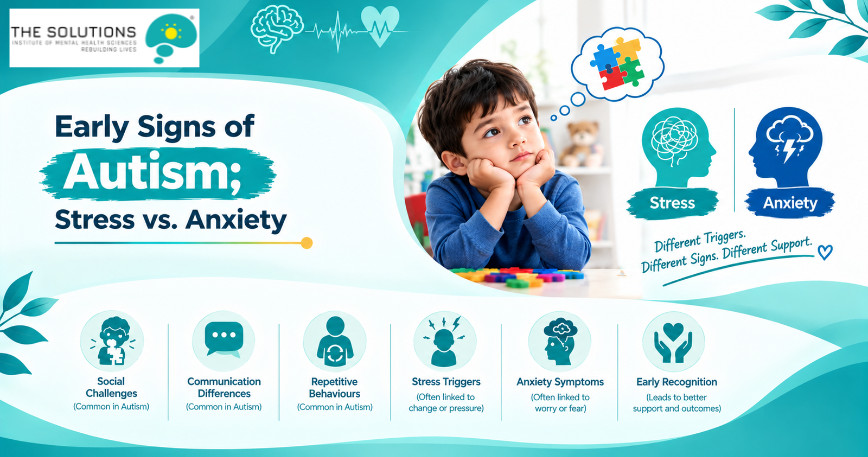 Early Signs of Autism: Stress vs. Anxiety
-
 Alcohol and De Addiction Center Hyderabad
-
 Best Rehabilitation Centre for Drug Addiction in Hyderabad
-
 Alcohol and Drug Rehabilitation Centre in Hyderabad