
Autism Therapy: Practical Ways of Managing Stress and Anxiety for a Better Life
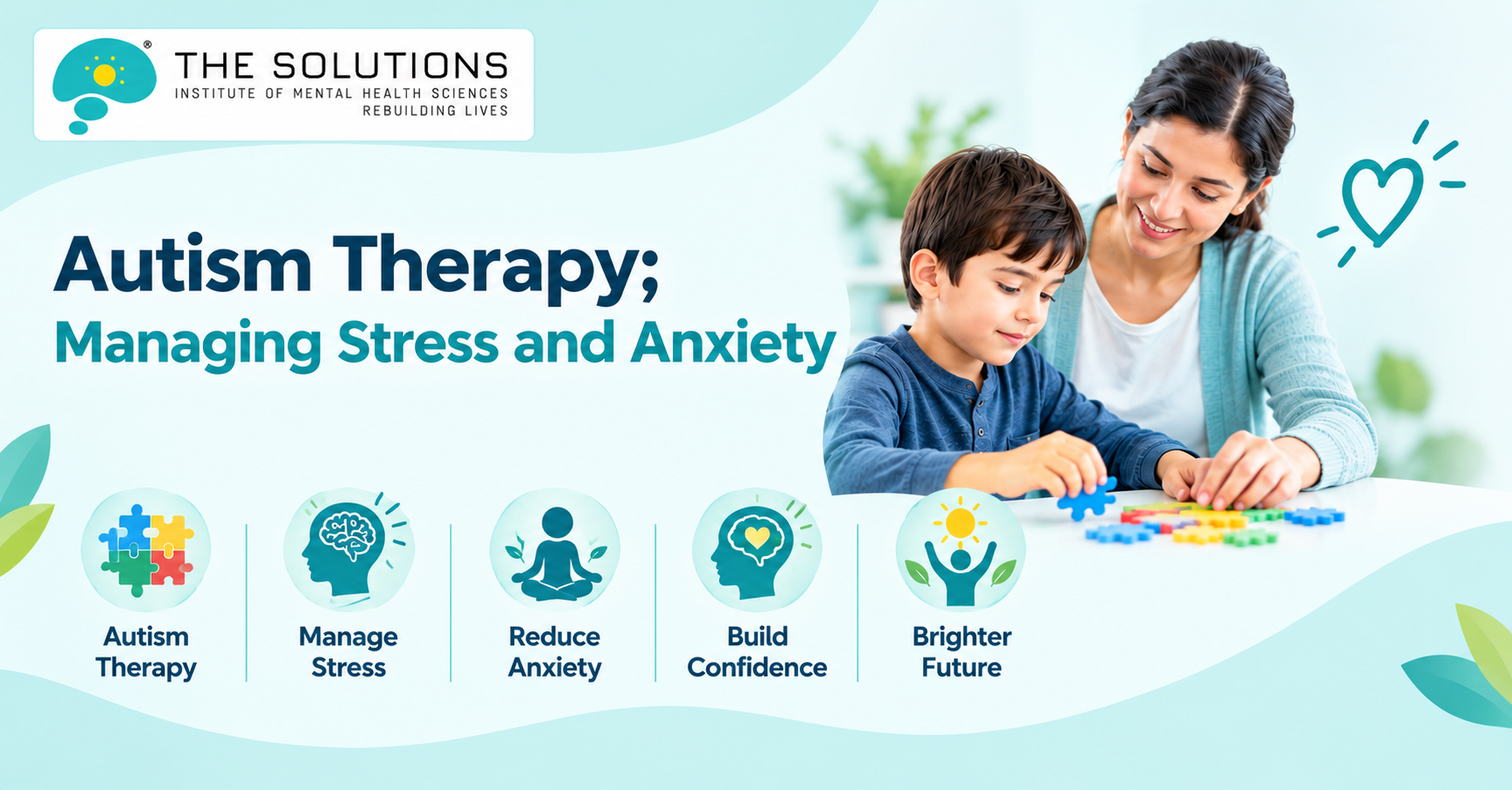
Every individual experiences the world differently. For autistic individuals, everyday experiences such as a noisy classroom, an unexpected change in plans, or a crowded public place can sometimes feel overwhelming. With the right understanding, guidance, and support, these challenges can become easier to navigate.
Autism is a neurodevelopmental condition that influences how a person communicates, interacts with others, processes sensory information, and experiences their surroundings. Each autistic individual has unique strengths, preferences, and support needs. Understanding these differences is the first step toward creating an environment where they feel safe, respected, and confident.
Autism Therapy can help individuals develop communication skills, build independence, and navigate everyday activities in ways that suit their needs. At the same time, Managing Stress and Anxiety is an important part of promoting emotional well-being, especially when sensory sensitivities, social expectations, or changes in routine become difficult to handle. At The Solutions IMHS, the importance of individualized support and emotional well-being highlights why a compassionate, person-centered approach matters for individuals and their families.
Understanding Autism and Everyday Challenges
Autism spectrum disorder (ASD) affects people in different ways. Some individuals may need ongoing support with daily activities, while others may need assistance mainly with communication, sensory experiences, or particular social situations.
Common experiences can include differences in verbal and nonverbal communication, a preference for predictable routines, intense interests, and sensitivity to sounds, lights, textures, or busy environments. These characteristics vary widely, and no two autistic individuals are exactly alike.
Stress may develop when a person struggles to communicate discomfort, faces unexpected changes, or experiences sensory overload. For example, a sudden loud sound or an unfamiliar schedule may cause distress that others do not immediately recognize.
Instead of assuming that an individual is being difficult, it is helpful to ask what might be making the situation uncomfortable. Understanding the underlying cause can help families, educators, and professionals provide more meaningful support.
How Autism Therapy Can Make a Positive Difference
Autism Therapy includes different approaches that support an individual’s communication, development, daily living skills, and overall quality of life. The most appropriate approach depends on the person’s goals, preferences, age, and individual support needs.
Therapeutic approaches may include:
1. Speech and Language Therapy
Speech and language therapy can support communication, including understanding language, expressing needs, developing conversational skills, or using alternative communication methods. These skills can help individuals communicate discomfort, request assistance, and participate more confidently in everyday activities.
2. Occupational Therapy
Occupational therapy may help individuals develop daily living skills, participate in meaningful activities, and address sensory or environmental challenges. Strategies are tailored to the individual’s needs and can support activities such as dressing, eating, school participation, or managing daily routines.
3. Behavioral and Developmental Support
Individualized behavioral and developmental approaches can help build useful skills, encourage communication, and make everyday activities more manageable. Support should be respectful and focus on meaningful goals, personal dignity, and quality of life.
4. Emotional Regulation Support
Learning to recognize feelings and communicate distress can help individuals manage challenging situations. Therapists may introduce visual supports, emotional identification activities, or personalized coping strategies that can be practised at home, school, or work.
The goal is not to make every autistic person behave in the same way. It is to help each individual access appropriate support, express their needs, and develop skills that improve everyday life.
Why Managing Stress and Anxiety Is Important
Stress is a natural response to demanding or uncomfortable situations. Anxiety, however, may involve persistent worry, fear, physical tension, or distress about situations that feel uncertain.
Some autistic individuals may experience anxiety related to sensory overload, unfamiliar environments, changes in routine, or difficulties navigating social expectations. Others may experience anxiety for entirely different reasons, and not every autistic person has an anxiety disorder.
Managing Stress and Anxiety begins with recognizing each person’s individual experiences and identifying situations that may contribute to distress.
Possible signs of stress can include withdrawing from an activity, becoming unusually quiet, showing irritability, struggling to concentrate, or needing more time alone. These signs are not necessarily evidence of anxiety; they may also indicate tiredness, pain, communication difficulties, or sensory discomfort.
Observing patterns without judgment can help families and professionals understand what support may be useful.
6 Practical Strategies for Managing Stress and Anxiety
Small, thoughtful adjustments can make everyday environments more comfortable and predictable. The following strategies can be adapted to suit different ages, preferences, and abilities.
1. Build a Predictable Routine
Knowing what to expect can reduce uncertainty for individuals who prefer structure. Visual timetables, calendars, reminders, and simple explanations can make daily activities easier to understand.
When changes are unavoidable, provide advance notice where possible. Explaining what will happen next can help an individual prepare for transitions without feeling rushed.
2. Create a Sensory-Friendly Environment
Sensory experiences that seem ordinary to one person may feel overwhelming to another. Bright lighting, loud conversations, strong smells, or crowded spaces can sometimes contribute to discomfort.
Consider offering a quieter area, comfortable lighting, noise-reducing headphones, or breaks from busy surroundings. The most helpful adjustments depend on the person’s specific sensory preferences.
3. Encourage Open and Accessible Communication
Everyone should have a way to express their needs. Some individuals communicate through speech, while others use gestures, written words, pictures, or communication devices.
Allow sufficient response time and listen carefully when someone indicates discomfort. Teaching simple ways to request help, a break, or a change in activity can reduce frustration and encourage independence.
4. Introduce Relaxation Activities
Gentle breathing exercises, drawing, listening to preferred music, stretching, or spending time on an enjoyable activity may help some individuals feel calmer.
Practise suitable strategies when the individual is relaxed so they become familiar with them before difficult situations arise. Avoid forcing a technique if it causes additional discomfort.
5. Support Healthy Sleep and Daily Movement
A consistent bedtime routine, appropriate physical activity, and regular meals can contribute to general well-being. Activities should reflect the individual’s interests, comfort, and abilities rather than follow a one-size-fits-all plan.
If sleep difficulties or changes in appetite continue, consider discussing them with a qualified healthcare professional.
6. Recognize Triggers and Plan Ahead
Keeping track of challenging situations may reveal useful patterns. For example, distress may occur more often in crowded spaces, during transitions, or after a demanding day.
Once possible triggers are identified, families and professionals can explore practical adjustments, such as preparing for outings, scheduling breaks, or simplifying instructions.
Connecting Autism Therapy With Emotional Well-Being
Therapeutic support for Autism Spectrum Disorders can help individuals develop practical skills, communicate their needs, and build strategies for handling difficult experiences.
For example, a child might learn to use a visual card to request a quiet break, while an adult may practise preparing for an unfamiliar appointment. These personalized strategies can make everyday experiences more manageable.
The Solutions IMHS recognizes the importance of considering developmental needs alongside emotional well-being. Where anxiety significantly affects daily life, a qualified professional can assess whether additional psychological support or medical evaluation may be appropriate.
A coordinated approach involving the individual, family members, educators, and healthcare professionals can help ensure that strategies remain consistent across different environments.
How Parents and Caregivers Can Offer Better Support
Family members and caregivers often notice changes in mood, behavior, or daily routines before anyone else. Their understanding can make a meaningful difference in identifying when an individual needs additional support.
Here are some helpful ways to offer support:
Listen without judgment: Take expressions of discomfort seriously instead of dismissing them.
Offer choices: Simple options can help individuals feel involved and respected.
Prepare for transitions: Explain upcoming activities and changes in a clear, accessible way.
Celebrate meaningful progress: Recognize individual achievements without comparing them with others.
Respect personal boundaries: Allow time for rest and recovery when needed.
Seek guidance when necessary: Work with qualified professionals when challenges persist.
Caregivers should also look after their own well-being. Sharing responsibilities, accessing reliable information, and seeking appropriate support can make caregiving more sustainable.
When Is Professional Support Needed?
Consider seeking professional guidance when stress or anxiety regularly interferes with sleep, learning, work, relationships, communication, or everyday activities.
Persistent worry, frequent episodes of intense distress, increased avoidance, or significant changes in behavior may indicate that further assessment is helpful. Sudden changes should also be evaluated when appropriate, as physical discomfort or other health concerns may contribute.
A qualified professional can help identify possible causes and recommend support suited to the individual’s circumstances. If there is an immediate risk of harm, seek urgent local medical assistance.
Why Choose IMHS for Autism Therapy: Managing Stress and Anxiety Effectively?
At The Solutions IMHS, we understand that every individual has unique needs, strengths, and challenges. Our approach to Autism Therapy focuses on supporting communication, emotional regulation, daily living skills, and personal development through individualized care. We aim to create a supportive environment where individuals and families feel heard, respected, and understood.
Choosing IMHS means prioritizing compassionate support and a personalized approach to Managing Stress and Anxiety. With appropriate guidance and practical coping strategies, individuals can work toward handling everyday challenges and improving their emotional well-being. Our goal is to help individuals and families explore suitable support options that encourage confidence, independence, and a better quality of life.
Conclusion:
At The Solutions IMHS, we believe in personalized care that respects individual needs. Contact Us Today to learn more about our support services.
FAQ'S
Autism Therapy helps autistic individuals develop communication, daily living, and emotional regulation skills based on their individual needs.
Autism Therapy can teach coping strategies, improve communication, and help individuals handle challenging situations more comfortably.
Managing Stress and Anxiety can help reduce distress, improve emotional well-being, and make daily activities more manageable.
Strategies include maintaining routines, reducing sensory triggers, encouraging clear communication, and practising suitable relaxation activities.
Professional Autism Therapy may help when stress, anxiety, communication difficulties, or daily challenges significantly affect quality of life.
Key Topics
Autism Therapy
Stress Management Techniques
Managing Stress and Anxiety
Anxiety Management Strategies
Autism and Anxiety
Emotional Regulation in Autism
Autism Support Services
Sensory Support for Autism
Autism Therapy for Children
Autism Developmental Support
Recent Post
-
 Drug Addiction Centre in Hyderabad
-
Autism Therapy: Practical Ways of Managing Stress and Anxiety for a Better Life
-
 Anxiety Symptoms in Adults and Depression vs. Sadness: Understanding Your Mental Health
-
 Mood Disorder Symptoms & Choosing a Mental Health Centre
-
 Early Signs of Autism: Stress vs. Anxiety
-
 Alcohol and De Addiction Center Hyderabad
-
 Best Rehabilitation Centre for Drug Addiction in Hyderabad
-
 Alcohol and Drug Rehabilitation Centre in Hyderabad