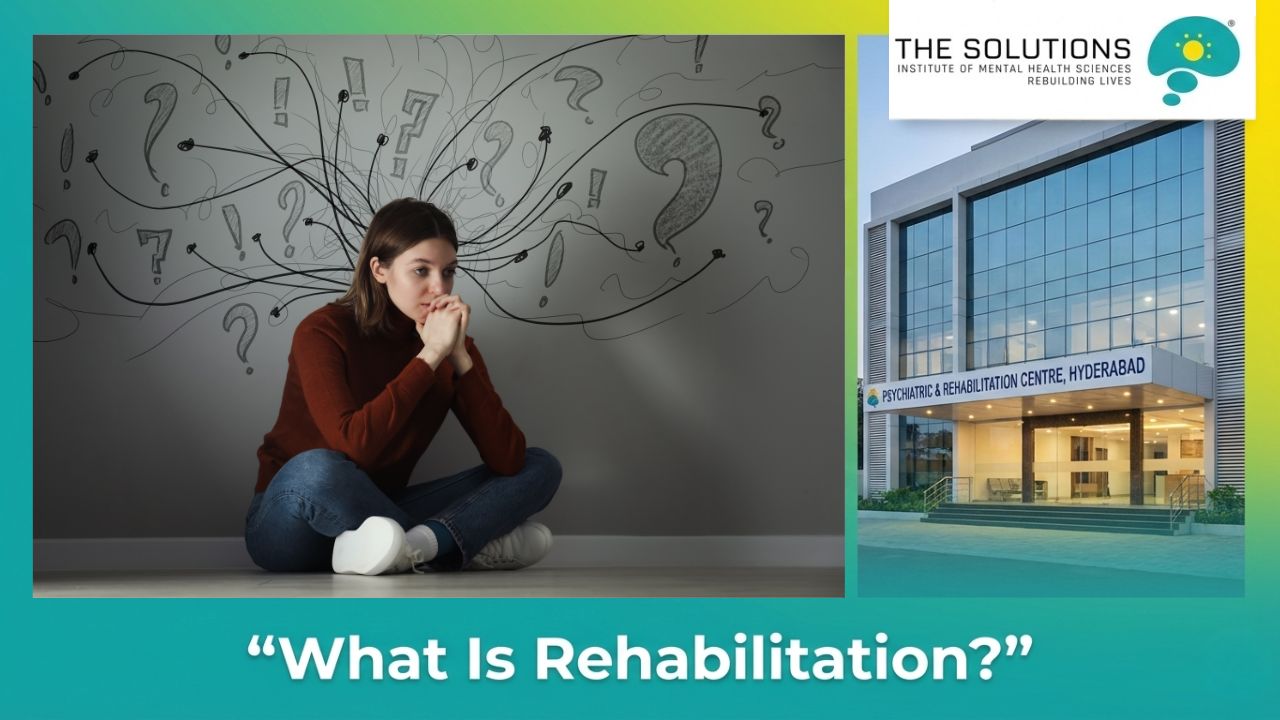
Rehabilitation is a structured, therapeutic process designed to help individuals recover from physical, psychological, emotional, or behavioral challenges that interfere with daily life. functioning and quality of life. It focuses not only on symptom control but also on restoring independence, dignity, and long-term well-being.
In medical and mental health settings, rehabilitation is not a one-size-fits-all solution. It is a personalized journey guided by trained professionals who assess the individual’s condition, goals, and environment. Understanding what is rehabilitation helps patients and families make informed decisions about care, recovery timelines, and expectations.
Rehabilitation in healthcare refers to coordinated interventions that enable people to achieve and maintain optimal functioning. It is commonly used for mental health conditions, substance dependence, neurological issues, and chronic illnesses.
From a clinical perspective, what is rehabilitation can be explained as a bridge between illness and independent living. It integrates medical treatment, therapy, counseling, and lifestyle modification. The ultimate aim is not merely recovery from symptoms, but reintegration into personal, social, and professional life.
Rehabilitation programs are evidence-based and are delivered by multidisciplinary teams that may include doctors, psychiatrists, psychologists, therapists, nurses, and social workers.
The foundation of effective rehabilitation lies in clearly defined goals. These goals vary depending on the individual’s condition, but generally include:
Understanding what is rehabilitation also means understanding that progress may be gradual. Consistency, professional guidance, and patient participation play a critical role in outcomes.
Rehabilitation can be broadly classified into different types based on clinical needs. Each approach targets specific aspects of recovery.
Focuses on physical recovery following illness, injury, or surgery. This includes pain management, mobility restoration, and functional training.
Designed for individuals with mental health conditions such as depression, anxiety disorders, bipolar disorder, or schizophrenia. It emphasizes emotional regulation, social skills, and occupational functioning.
Addresses maladaptive behaviors, including compulsive patterns and substance use, through therapy, structure, and behavioral modification.
Helps individuals regain or develop skills needed for employment and productive engagement.
A comprehensive understanding of what is rehabilitation involves recognizing how these approaches often overlap in real-world treatment plans.
Rehabilitation follows a systematic and clinically supervised process:
Each stage reinforces the principle that what is rehabilitation is not a quick fix but a guided transformation.
Drug dependence alters brain chemistry, behavior, and decision-making ability. Rehabilitation for drug de-addiction focuses on detoxification, psychological therapy, and relapse prevention.
Structured programs address withdrawal safely while helping individuals identify triggers, develop coping strategies, and rebuild daily routines. When exploring what is rehabilitation in the context of addiction, it becomes clear that medical supervision and long-term support are essential for sustained recovery.
Nicotine addiction is both physical and psychological. Rehabilitation-based smoking cessation programs go beyond willpower by addressing behavioral habits, stress triggers, and emotional dependency.
Therapeutic support, counseling, and lifestyle restructuring significantly improve quit rates. This further reinforces what is rehabilitation as a science-backed approach rather than a self-managed attempt.
Supportive behavioral therapies used in smoking cessation programs are an integral part of modern rehabilitation care.
Alcohol dependence impacts mental health, liver function, relationships, and occupational stability. Rehabilitation for alcohol de-addiction combines medical detox, therapy, family counseling, and relapse prevention planning.
Understanding what is rehabilitation in alcohol recovery highlights the importance of addressing both physical dependence and underlying psychological factors.
Evidence-based alcohol de-addiction treatment programs provide a structured environment that promotes long-term sobriety and emotional stability.
Rehabilitation is not limited to symptom control. It actively focuses on restoring emotional balance, social interaction, and self-confidence.
Key psychological elements include:
Social rehabilitation helps individuals reconnect with family, work, and community life. These dimensions emphasize that what is rehabilitation includes rebuilding identity and purpose.
Family involvement significantly improves rehabilitation outcomes. Education, counseling, and emotional support help families understand the condition, set healthy boundaries, and participate in recovery.
Rehabilitation programs often include family therapy sessions to address communication gaps and co-dependency patterns. This collaborative model reinforces long-term stability.
Selecting an appropriate rehabilitation center requires careful evaluation. Important factors include:
A trusted center prioritizes safety, dignity, and measurable outcomes. Institutions like The Solutions IMHS focus on holistic, patient-centered rehabilitation grounded in clinical expertise and compassionate care.
The benefits of rehabilitation extend far beyond immediate recovery:
These outcomes clarify what is rehabilitation as a life-enhancing process rather than a temporary intervention.
Understanding what is rehabilitation empowers individuals and families to seek timely, effective, and compassionate care. Rehabilitation is not about weakness—it is about structured healing, growth, and reclaiming control over life.
If you or a loved one needs professional guidance for recovery, mental health support, or addiction treatment, The Solutions IMHS offers evidence-based, ethical, and personalized rehabilitation services designed for long-term well-being.
Contact Us today The Solutions IMHS to begin a safe, supported recovery journey
Recovery duration varies depending on the condition, severity, and individual response, as what is rehabilitation focuses on personalized timelines rather than fixed durations.
Yes, because what is rehabilitation involves structured medical and psychological guidance that ensures safety and effectiveness.
Absolutely. What is rehabilitation includes relapse prevention strategies that address triggers and long-term behavior change.
Yes, what is rehabilitation emphasizes integrated care that treats emotional, psychological, and behavioral aspects simultaneously.
Aftercare is critical because what is rehabilitation extends beyond the primary program into sustained lifestyle support.
WhatsApp us